2026-06-03
11 Cafe-Style Home Ideas: Create Your Dream Home Cafe
This article compiles 11 cafe-style house ideas—ranging from Minimalist and Tropical to Vintage and Loft—along with techniques for creating photo-ready corners…
Read more →
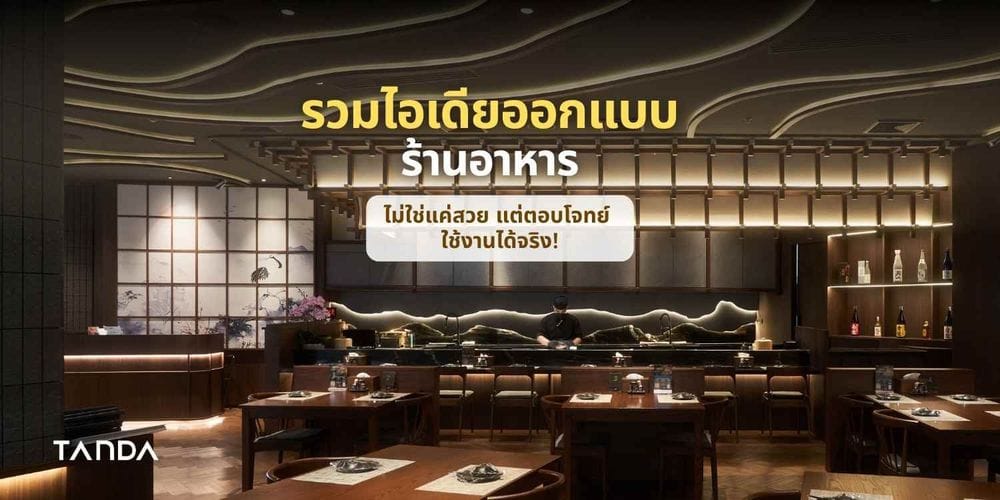
In today’s fiercely competitive restaurant business, having delicious food alone is no longer enough to win customers’ hearts. Restaurant design plays a crucial role in creating the overall experience from the very first step inside. Decoration, lighting, color, sound, and table arrangement all influence the mood and enjoyment of dining.
Restaurant design differs from other types of design because it’s not only about aesthetics or functionality but about crafting an inviting atmosphere that impresses customers and stimulates their senses in every way, making every meal memorable and encouraging customers to return.
This article by Tanda Design Studio shares tips for designing beautiful, practical restaurants with attractive décor ideas—from small eateries and restaurants in commercial buildings to garden-style dining spots.
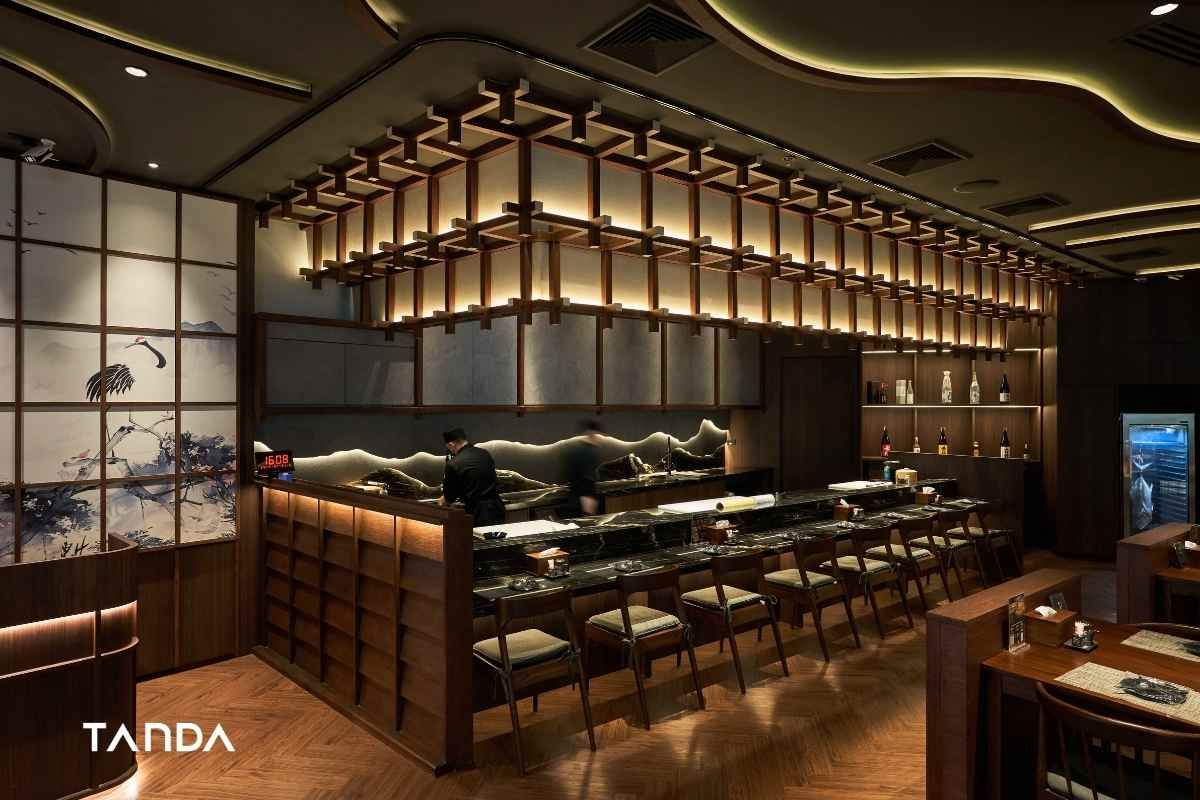
For small restaurants, design focuses on maximizing space efficiency while creating an inviting atmosphere through bright colors, multifunctional furniture, mirrors, and stylish wall décor. These techniques make the space feel open, airy, and attract customers effectively. Let’s dive deeper into these ideas:
When designing a small restaurant, light colors are key to creating the illusion of a larger area. Shades like white, cream, or soft pastels reflect light effectively, making the space feel brighter, more open, and airier. This technique helps establish a pleasant and welcoming atmosphere, even within limited square footage.
Multi-functional furniture is essential for maximizing space in a small restaurant. Choose compact tables, small stylish chairs, or furniture with built-in storage to add flexibility to the layout and accommodate more guests. This approach not only keeps the space uncluttered but also boosts efficiency without making the area feel cramped.
An open-style counter is a key feature for small restaurant layouts. It keeps the space feeling open and breathable while increasing usable surface area. Plus, it allows customers to view the food or drink preparation process—adding interest and creating a more interactive, inviting dining experience.
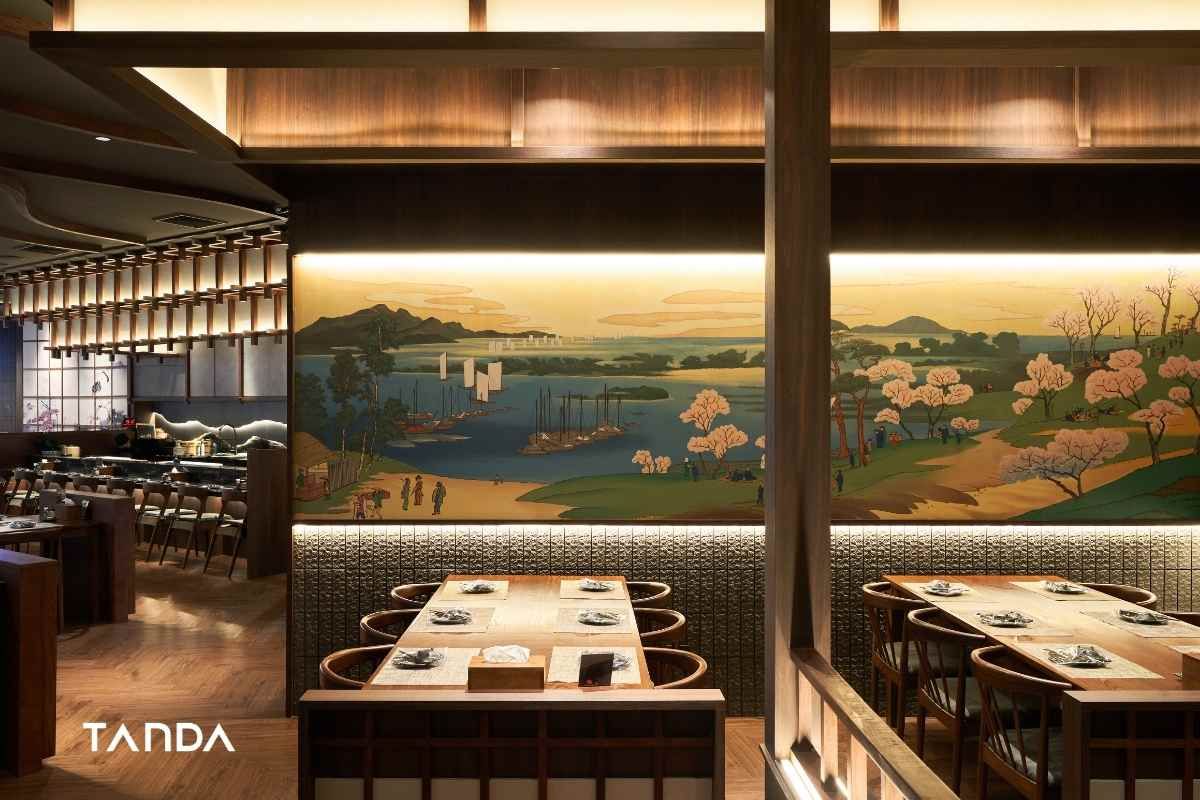
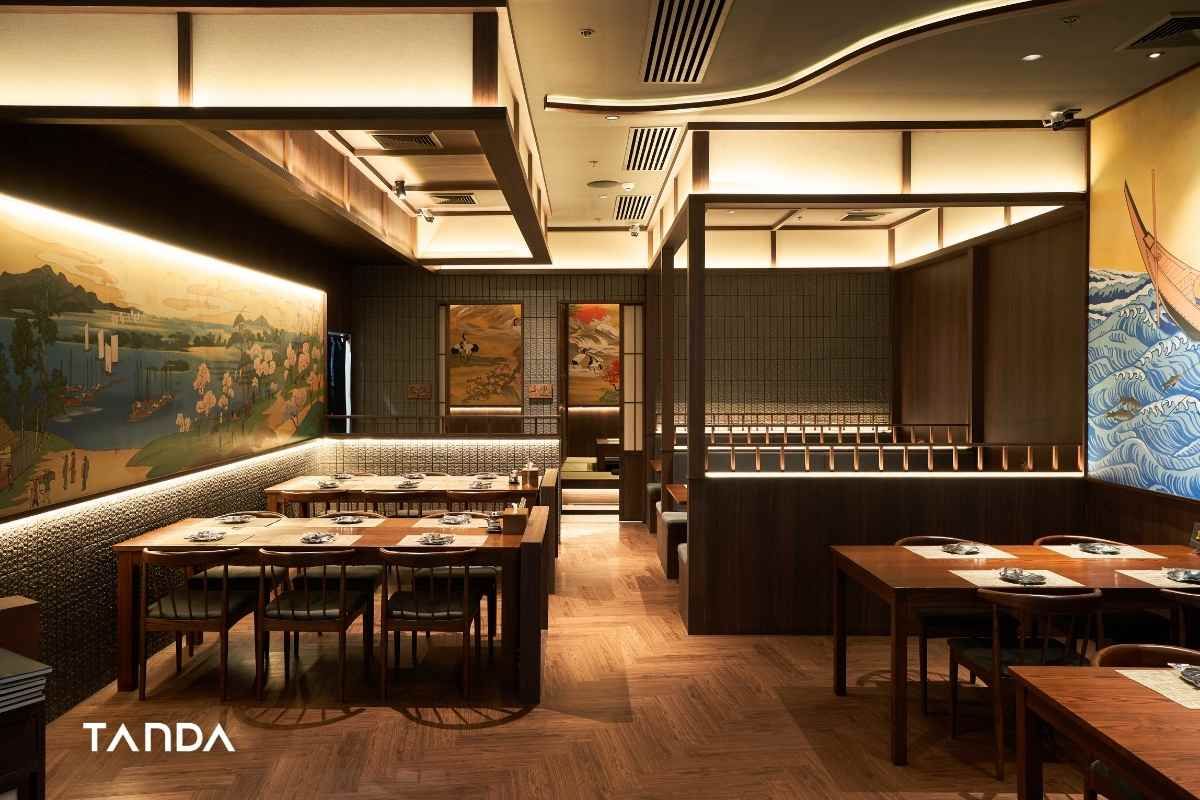
Walls are a powerful visual element that can elevate the overall look of your restaurant. Thoughtful wall decor—such as artwork, murals, or unique materials like exposed brick or wood—can create a strong visual identity and set the mood. This helps make the space more memorable and adds warmth, even in compact environments.
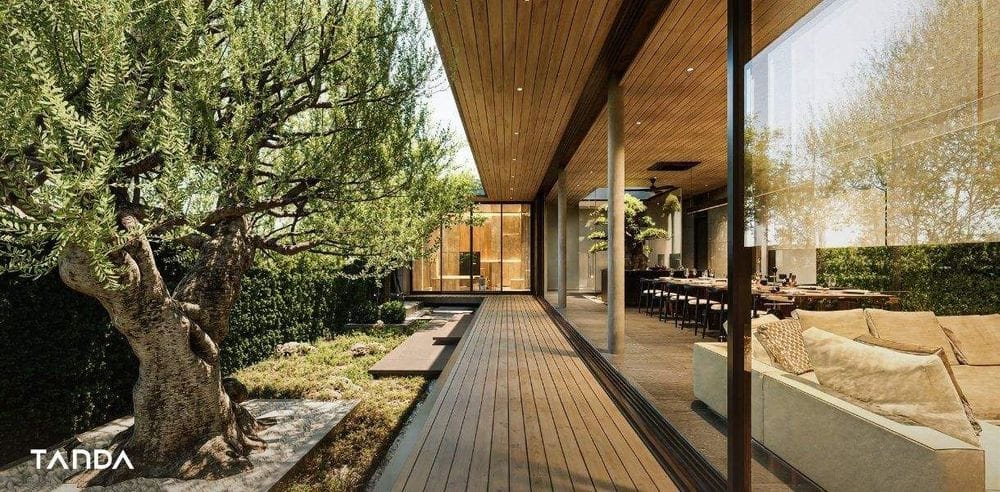
Garden restaurant design integrates the dining area naturally with greenery, providing a fresh and relaxing experience using natural materials, outdoor seating zones, plants, and warm evening lighting.
Using natural materials such as wood, stone, or textured brick in your design helps your restaurant blend beautifully with the surrounding greenery. These materials not only create a warm, welcoming, and eco-friendly atmosphere, but also help customers feel relaxed and more connected to nature—turning every moment in the restaurant into an enjoyable experience filled with delicious food and a refreshing ambiance.
Creating an outdoor seating area in a garden is a brilliant way to let customers fully immerse themselves in nature. Choose weather-resistant furniture and arrange it thoughtfully for maximum comfort. This space doesn’t just expand usable seating—it also offers a unique dining experience that appeals to those seeking a relaxing, open-air atmosphere, adding charm and appeal to your restaurant.
A key element in garden restaurant design is integrating nature seamlessly into the decor. Strategically placing a variety of plants throughout the space enhances freshness and adds vibrant color. This approach not only creates a pleasant, natural environment but also fosters a sense of relaxation and friendliness, allowing customers to feel joyful and refreshed every time they visit.
For restaurants that operate in the evening, using soft, warm-toned lighting is ideal for creating a romantic and cozy garden atmosphere. Properly placing lights ensures they aren’t harsh on the eyes while highlighting key features of the space. This technique extends the usability of the restaurant into the night and leaves a lasting impression on customers.
The right decorative elements can transform your garden restaurant’s vibe. Whether it’s fresh flower arrangements, unique art pieces, or nature-inspired accents, each item adds vibrancy and personality to the space. These touches help tell your brand’s story and leave customers with a memorable experience that makes them want to return again and again
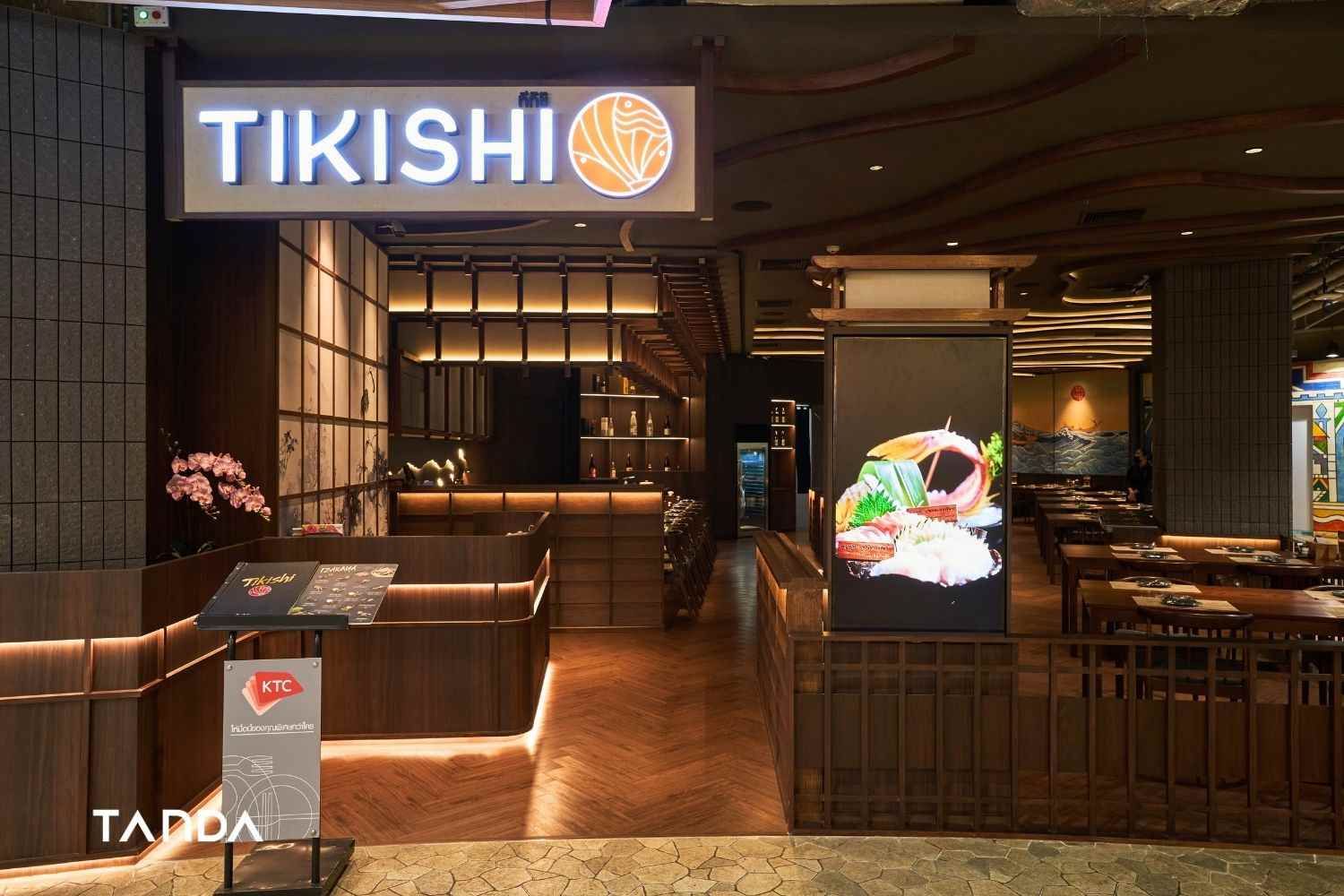
Designing a restaurant in a commercial building requires maximizing space efficiency while creating an inviting atmosphere that attracts customers. Even in limited spaces, the right design strategies can make the space feel open, airy, and comfortable. Here are five effective ideas:
In restaurants where space is limited, utilizing vertical space is a key strategy. Consider adding mezzanines or second and third floors to increase usable area without expanding horizontally. This approach allows you to add more seating and functions while maintaining an open feel. Even in compact layouts, customers can still enjoy a spacious ambiance and delicious food.
The storefront is the first point of contact and makes a lasting first impression. A well-designed facade with clear signage and eye-catching elements like bright lighting or bold colors can attract attention and draw people inside. The storefront acts as the first decision point for customers—so it’s essential that it clearly represents your brand and entices passersby.
An efficient counter layout is crucial in restaurant operations. U-shaped or L-shaped counters are great choices—they provide functional workspaces and service areas while improving flow for staff. These layouts help streamline operations, minimize disruption to customers, and enhance overall service efficiency.
Installing large windows or glass walls allows natural light to flood the interior. This not only makes the restaurant feel brighter and more open but also reduces the sense of confinement in small spaces. Natural light helps create a relaxing environment where customers feel comfortable throughout their visit.
Color plays a major role in shaping the ambiance and brand image of your restaurant. Selecting a color palette that aligns with your style can evoke the desired mood—light tones promote spaciousness and calm, while darker tones add a sense of luxury and intimacy. Color directly influences customers’ emotions and helps define your restaurant’s unique identity.
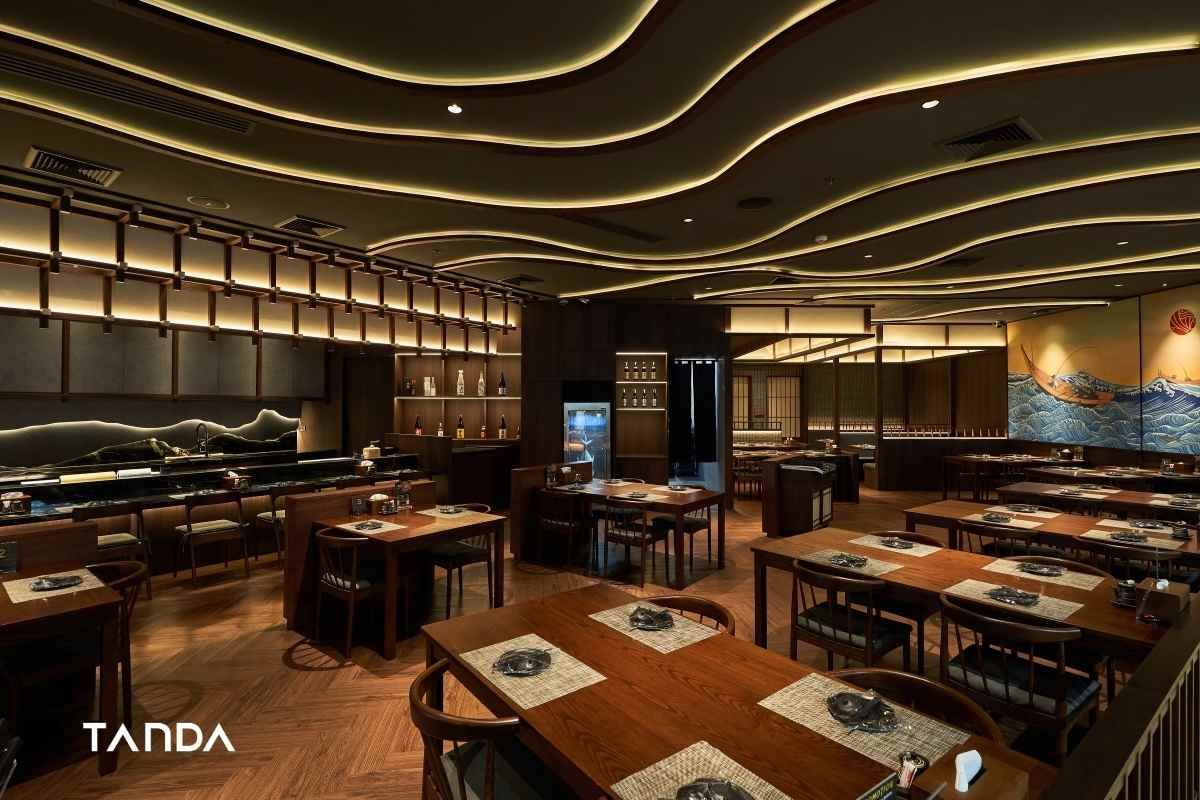
Designing a restaurant is about more than just aesthetics. To truly create a successful space, you need to understand your customers, plan an efficient layout, design appropriate lighting, and create a memorable brand identity. One often-overlooked but critical element? Cleanliness. A clean restaurant reflects your commitment to quality and builds lasting customer trust.
Before starting the design, analyze your target audience’s behavior, needs, and lifestyle. This insight helps you define the concept and ambiance that resonate with your market—laying the groundwork for a restaurant that attracts and retains loyal customers.
A smart restaurant layout ensures every square inch is used effectively. Tables, counters, and walkways should be arranged to allow smooth movement for both customers and staff. Collaborating with experienced architects and interior designers ensures that your layout is practical, efficient, and service-friendly—enhancing the customer experience and staff productivity.
Lighting plays a huge role in setting the mood. Layer different types of lighting—ambient (general), task (functional), and accent (highlight)—to add depth and atmosphere to your space. Choose a lighting tone that aligns with your concept: warm tones for upscale dining or bright, energizing light for casual spots. Proper lighting not only enhances visual appeal but also influences customer emotions and comfort.
Create a strong brand identity through thoughtful design. Use a unique logo, signature colors, and decor that reflects your brand’s personality. Don’t forget to include Instagram-worthy corners—these encourage customers to share their experiences and generate organic promotion. A memorable design builds brand recognition and customer connection.
Cleanliness is non-negotiable. It reflects your standards and leaves a lasting impression. Choose durable, easy-to-maintain materials and pay attention to detail in all areas—from restrooms to seating zones. Maintaining a consistently clean and organized space ensures customers feel confident, comfortable, and eager to return.
Restaurant design plays a vital role in creating memorable customer experiences—beyond just delicious food. Whether it’s a small eatery, a garden-style restaurant, or one located in a commercial building, attention to detail in every aspect—from layout, lighting, and color palette to materials, decor, and hygiene—helps shape a welcoming, distinctive, and unforgettable atmosphere. A well-thought-out design investment can make your restaurant stand out, attract more customers, and achieve long-term success.
TANDA Design Studio Restaurant design plays a vital role in creating memorable customer experiences—beyond just delicious food. Whether it’s a small eatery, a garden-style restaurant, or one located in a commercial building, attention to detail in every aspect—from layout, lighting, and color palette to materials, decor, and hygiene—helps shape a welcoming, distinctive, and unforgettable atmosphere. A well-thought-out design investment can make your restaurant stand out, attract more customers, and achieve long-term success.
2026-06-03
This article compiles 11 cafe-style house ideas—ranging from Minimalist and Tropical to Vintage and Loft—along with techniques for creating photo-ready corners…
Read more →
2026-05-27
Is your home feeling more like an oven lately? You are not alone. Heat buildup is a common struggle, especially in tropical climates, but it doesn't have to be…
Read more →

2026-05-27
Imagine the aroma of your favorite meal wafting through the air, accompanied by laughter and conversation around the table. After a long day, the dining room se…
Read more →
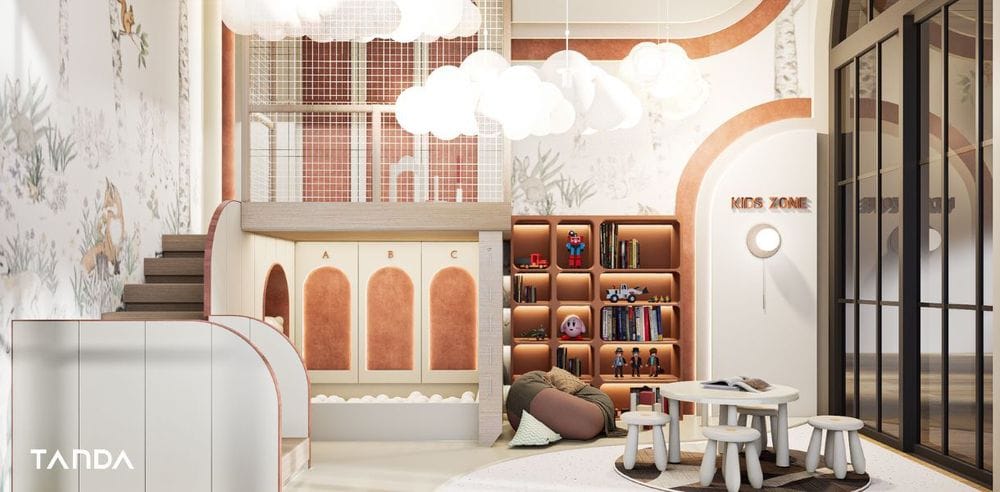
2026-05-26
When planning a private space for your little ones, safety is naturally the top priority. A well-thought-out kids' bedroom decoration idea does more than just l…
Read more →
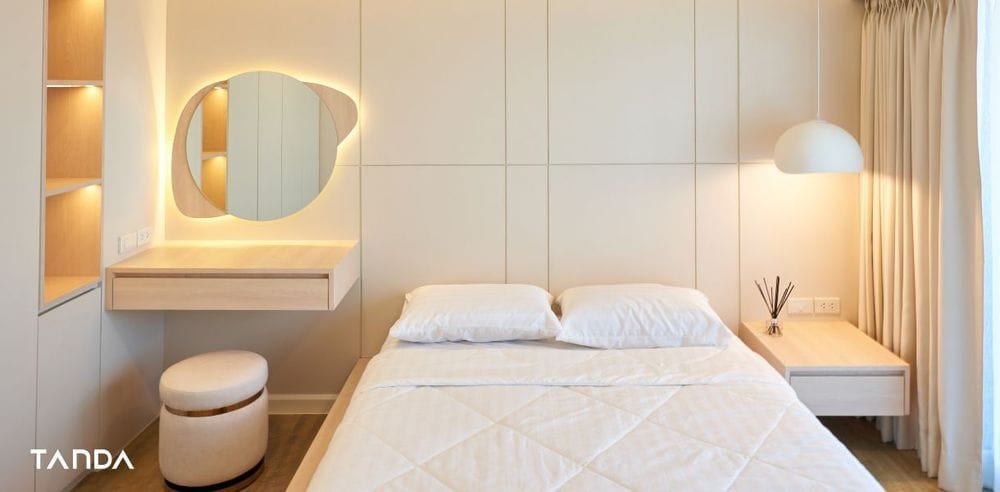
2026-05-26
Walking into a new, empty condo can be overwhelming. When the layout doesn't align with your daily routine, that initial excitement often turns into stress. You…
Read more →
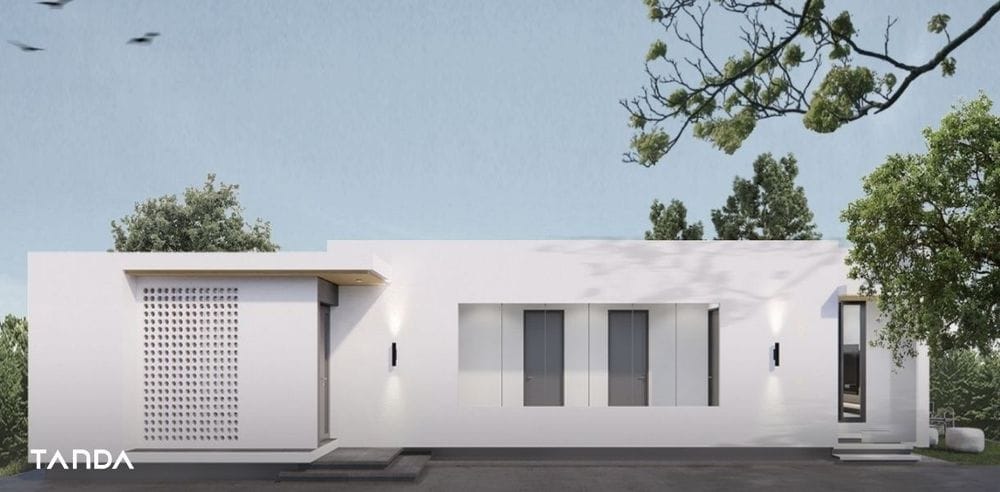
2026-04-03
White is more than just a color; it is a tool to create a sophisticated and restful atmosphere. The unique quality of white lies in its limitless ability to shi…
Read more →
In today’s fiercely competitive restaurant business, having delicious food alone is no longer enough to win customers’ hearts. Restaurant design plays a crucial role in creating the overall experience from the very first step inside. Decoration, lighting, color, sound, and table arrangement all influence the mood and enjoyment of dining.
Restaurant design differs from other types of design because it’s not only about aesthetics or functionality but about crafting an inviting atmosphere that impresses customers and stimulates their senses in every way, making every meal memorable and encouraging customers to return.
This article by Tanda Design Studio shares tips for designing beautiful, practical restaurants with attractive décor ideas—from small eateries and restaurants in commercial buildings to garden-style dining spots.
For small restaurants, design focuses on maximizing space efficiency while creating an inviting atmosphere through bright colors, multifunctional furniture, mirrors, and stylish wall décor. These techniques make the space feel open, airy, and attract customers effectively. Let’s dive deeper into these ideas:
When designing a small restaurant, light colors are key to creating the illusion of a larger area. Shades like white, cream, or soft pastels reflect light effectively, making the space feel brighter, more open, and airier. This technique helps establish a pleasant and welcoming atmosphere, even within limited square footage.
Multi-functional furniture is essential for maximizing space in a small restaurant. Choose compact tables, small stylish chairs, or furniture with built-in storage to add flexibility to the layout and accommodate more guests. This approach not only keeps the space uncluttered but also boosts efficiency without making the area feel cramped.
An open-style counter is a key feature for small restaurant layouts. It keeps the space feeling open and breathable while increasing usable surface area. Plus, it allows customers to view the food or drink preparation process—adding interest and creating a more interactive, inviting dining experience.
Walls are a powerful visual element that can elevate the overall look of your restaurant. Thoughtful wall decor—such as artwork, murals, or unique materials like exposed brick or wood—can create a strong visual identity and set the mood. This helps make the space more memorable and adds warmth, even in compact environments.
Garden restaurant design integrates the dining area naturally with greenery, providing a fresh and relaxing experience using natural materials, outdoor seating zones, plants, and warm evening lighting.
Using natural materials such as wood, stone, or textured brick in your design helps your restaurant blend beautifully with the surrounding greenery. These materials not only create a warm, welcoming, and eco-friendly atmosphere, but also help customers feel relaxed and more connected to nature—turning every moment in the restaurant into an enjoyable experience filled with delicious food and a refreshing ambiance.
Creating an outdoor seating area in a garden is a brilliant way to let customers fully immerse themselves in nature. Choose weather-resistant furniture and arrange it thoughtfully for maximum comfort. This space doesn’t just expand usable seating—it also offers a unique dining experience that appeals to those seeking a relaxing, open-air atmosphere, adding charm and appeal to your restaurant.
A key element in garden restaurant design is integrating nature seamlessly into the decor. Strategically placing a variety of plants throughout the space enhances freshness and adds vibrant color. This approach not only creates a pleasant, natural environment but also fosters a sense of relaxation and friendliness, allowing customers to feel joyful and refreshed every time they visit.
For restaurants that operate in the evening, using soft, warm-toned lighting is ideal for creating a romantic and cozy garden atmosphere. Properly placing lights ensures they aren’t harsh on the eyes while highlighting key features of the space. This technique extends the usability of the restaurant into the night and leaves a lasting impression on customers.
The right decorative elements can transform your garden restaurant’s vibe. Whether it’s fresh flower arrangements, unique art pieces, or nature-inspired accents, each item adds vibrancy and personality to the space. These touches help tell your brand’s story and leave customers with a memorable experience that makes them want to return again and again
Designing a restaurant in a commercial building requires maximizing space efficiency while creating an inviting atmosphere that attracts customers. Even in limited spaces, the right design strategies can make the space feel open, airy, and comfortable. Here are five effective ideas:
In restaurants where space is limited, utilizing vertical space is a key strategy. Consider adding mezzanines or second and third floors to increase usable area without expanding horizontally. This approach allows you to add more seating and functions while maintaining an open feel. Even in compact layouts, customers can still enjoy a spacious ambiance and delicious food.
The storefront is the first point of contact and makes a lasting first impression. A well-designed facade with clear signage and eye-catching elements like bright lighting or bold colors can attract attention and draw people inside. The storefront acts as the first decision point for customers—so it’s essential that it clearly represents your brand and entices passersby.
An efficient counter layout is crucial in restaurant operations. U-shaped or L-shaped counters are great choices—they provide functional workspaces and service areas while improving flow for staff. These layouts help streamline operations, minimize disruption to customers, and enhance overall service efficiency.
Installing large windows or glass walls allows natural light to flood the interior. This not only makes the restaurant feel brighter and more open but also reduces the sense of confinement in small spaces. Natural light helps create a relaxing environment where customers feel comfortable throughout their visit.
Color plays a major role in shaping the ambiance and brand image of your restaurant. Selecting a color palette that aligns with your style can evoke the desired mood—light tones promote spaciousness and calm, while darker tones add a sense of luxury and intimacy. Color directly influences customers’ emotions and helps define your restaurant’s unique identity.
Designing a restaurant is about more than just aesthetics. To truly create a successful space, you need to understand your customers, plan an efficient layout, design appropriate lighting, and create a memorable brand identity. One often-overlooked but critical element? Cleanliness. A clean restaurant reflects your commitment to quality and builds lasting customer trust.
Before starting the design, analyze your target audience’s behavior, needs, and lifestyle. This insight helps you define the concept and ambiance that resonate with your market—laying the groundwork for a restaurant that attracts and retains loyal customers.
A smart restaurant layout ensures every square inch is used effectively. Tables, counters, and walkways should be arranged to allow smooth movement for both customers and staff. Collaborating with experienced architects and interior designers ensures that your layout is practical, efficient, and service-friendly—enhancing the customer experience and staff productivity.
Lighting plays a huge role in setting the mood. Layer different types of lighting—ambient (general), task (functional), and accent (highlight)—to add depth and atmosphere to your space. Choose a lighting tone that aligns with your concept: warm tones for upscale dining or bright, energizing light for casual spots. Proper lighting not only enhances visual appeal but also influences customer emotions and comfort.
Create a strong brand identity through thoughtful design. Use a unique logo, signature colors, and decor that reflects your brand’s personality. Don’t forget to include Instagram-worthy corners—these encourage customers to share their experiences and generate organic promotion. A memorable design builds brand recognition and customer connection.
Cleanliness is non-negotiable. It reflects your standards and leaves a lasting impression. Choose durable, easy-to-maintain materials and pay attention to detail in all areas—from restrooms to seating zones. Maintaining a consistently clean and organized space ensures customers feel confident, comfortable, and eager to return.
Restaurant design plays a vital role in creating memorable customer experiences—beyond just delicious food. Whether it’s a small eatery, a garden-style restaurant, or one located in a commercial building, attention to detail in every aspect—from layout, lighting, and color palette to materials, decor, and hygiene—helps shape a welcoming, distinctive, and unforgettable atmosphere. A well-thought-out design investment can make your restaurant stand out, attract more customers, and achieve long-term success.
TANDA Design Studio Restaurant design plays a vital role in creating memorable customer experiences—beyond just delicious food. Whether it’s a small eatery, a garden-style restaurant, or one located in a commercial building, attention to detail in every aspect—from layout, lighting, and color palette to materials, decor, and hygiene—helps shape a welcoming, distinctive, and unforgettable atmosphere. A well-thought-out design investment can make your restaurant stand out, attract more customers, and achieve long-term success.