2026-06-03
11 Cafe-Style Home Ideas: Create Your Dream Home Cafe
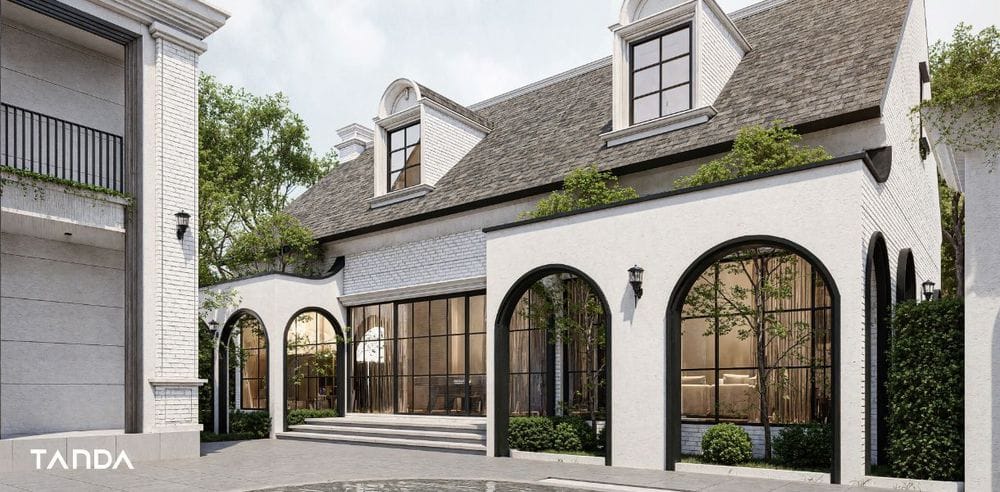
This article compiles 11 cafe-style house ideas—ranging from Minimalist and Tropical to Vintage and Loft—along with techniques for creating photo-ready corners…
Read more →

Imagine the aroma of your favorite meal wafting through the air, accompanied by laughter and conversation around the table. After a long day, the dining room serves as a vital hub that reconnects every family member.
Preparing this space to welcome every smile means more than just placing furniture. Designing a Dining Room that is both beautiful and functional requires a blend of popular decor ideas and expert tips on lighting, color palettes, and furniture selection. Turn an ordinary eating corner into a joyful space where everyone wants to linger a little longer.
A dining room is a primary social space—far more than just a place to eat. It is a focal point that draws members together, helping bridge gaps and build understanding through the daily exchange of stories.
Simultaneously, this area acts as a formal reception zone. A stylishly decorated dining room reflects the homeowner's taste and personality, ensuring every meal is filled with meaning and aesthetic pleasure.
A good layout is the secret to a dining room that feels comfortable rather than cramped. Specifically, maintaining a distance of 90–120 cm between the table and walls (or other furniture) allows for easy movement and chair clearance.
In addition to spacing, choosing a style that matches the rest of the home creates a seamless flow. Whether you prefer modern dining room furniture, simple minimalism, or an open-plan zone connected to the living room, a unified design theme communicates sophisticated taste and fosters relaxation.
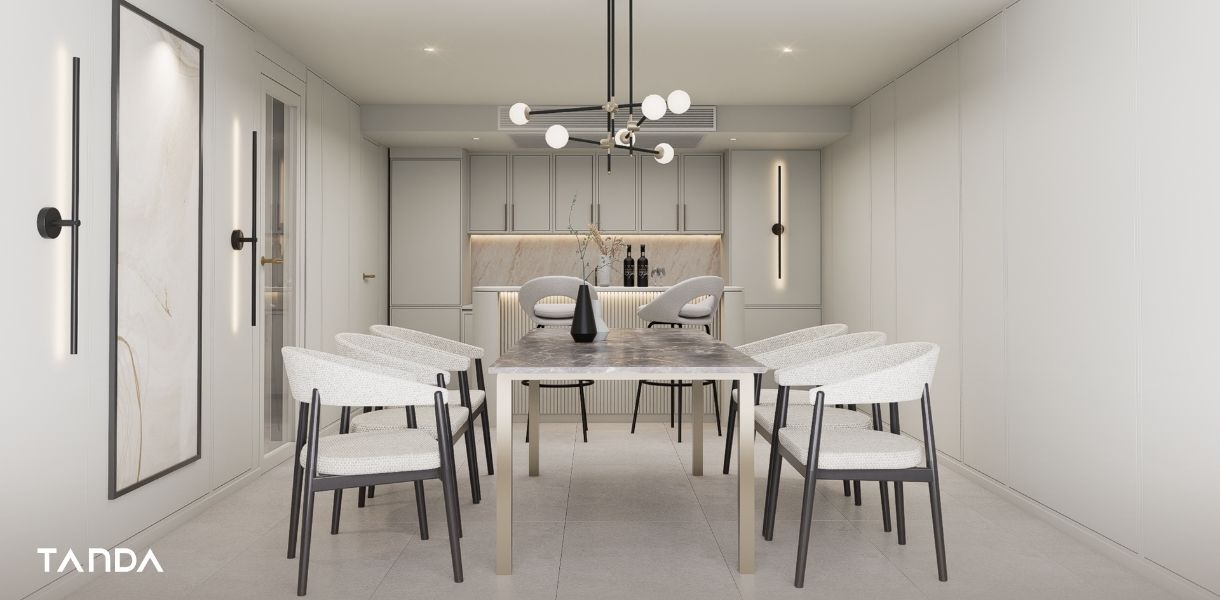
The right style transforms a meal into an experience. If you are seeking inspiration, consider these popular styles:
Elevate your meals with high-end materials like uniquely patterned marble and polished gold stainless steel. Popular dining room wall colors for this look include cream or deep charcoal, which make tempered glass or marble tables stand out as luxurious centerpieces.
For a friendly, relaxed vibe, Scandinavian design—which emphasizes light woods and natural light—is the perfect answer. Choosing simple furniture keeps the room feeling airy. This is also an excellent small dining room decor idea, as it makes limited spaces feel warm and significantly more spacious.
For those who love a "raw" aesthetic, the industrial loft style features exposed brick and black steel structures. Installing bell-shaped or matte black dining room pendant lights brings out the charm of this style, adding an artistic flair to your meals.
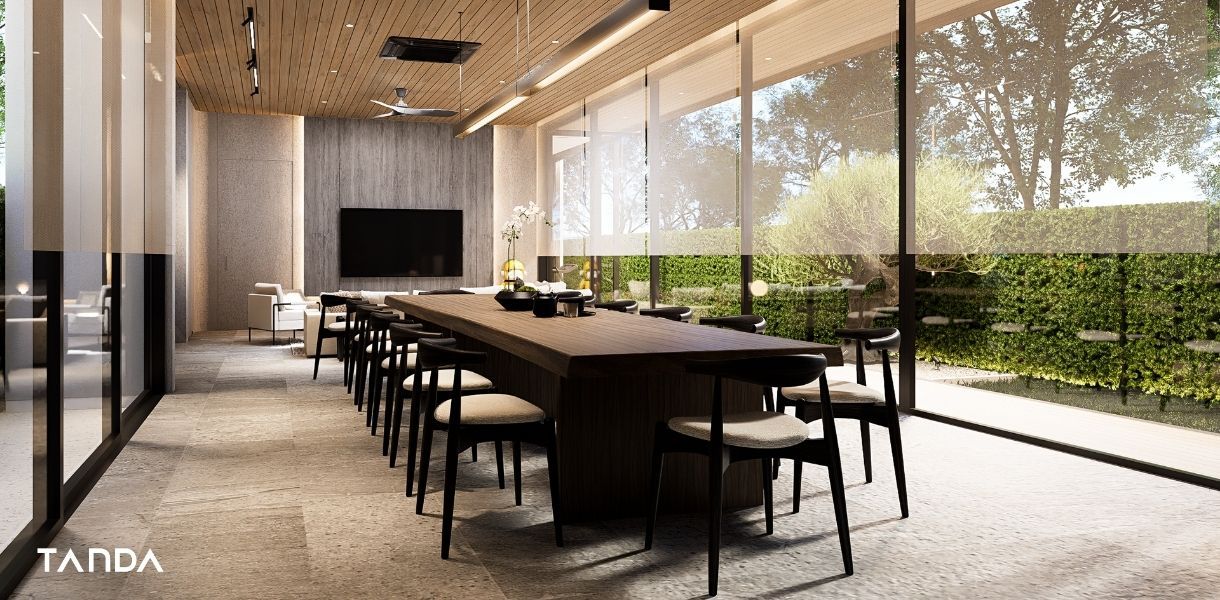
Choosing the primary furniture is like laying the foundation for the room. The right shape and size ensure the atmosphere remains balanced.
Colors and lighting are the soul of the dining room, influencing both the mood and the perceived flavor of the food.
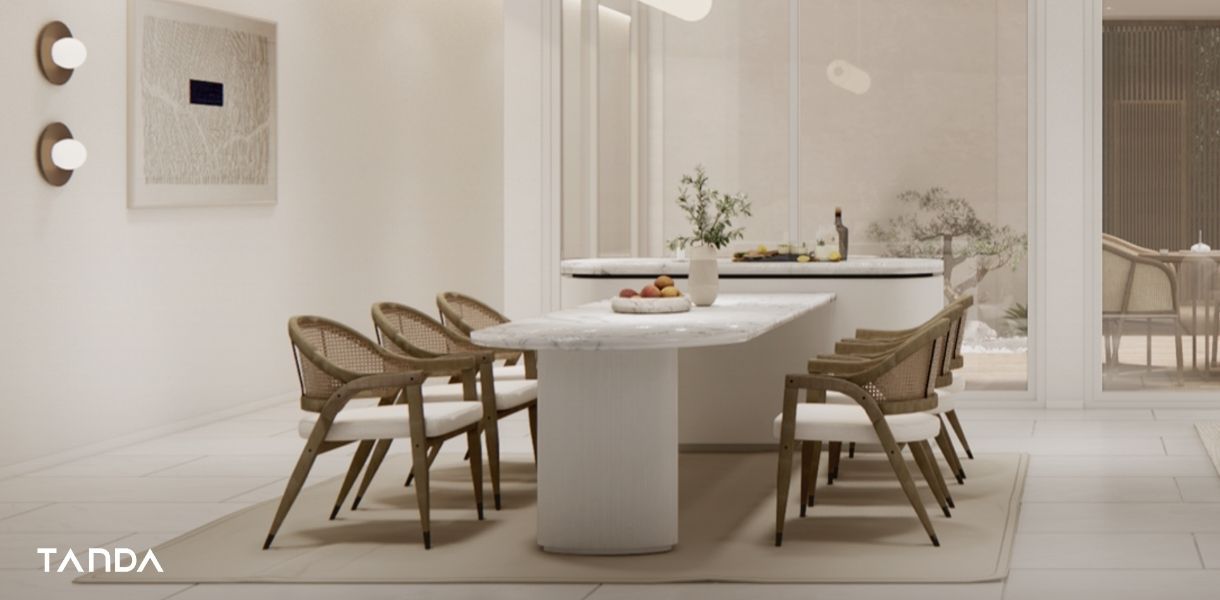
Table styling adds aesthetic value to even the simplest weekday menu.
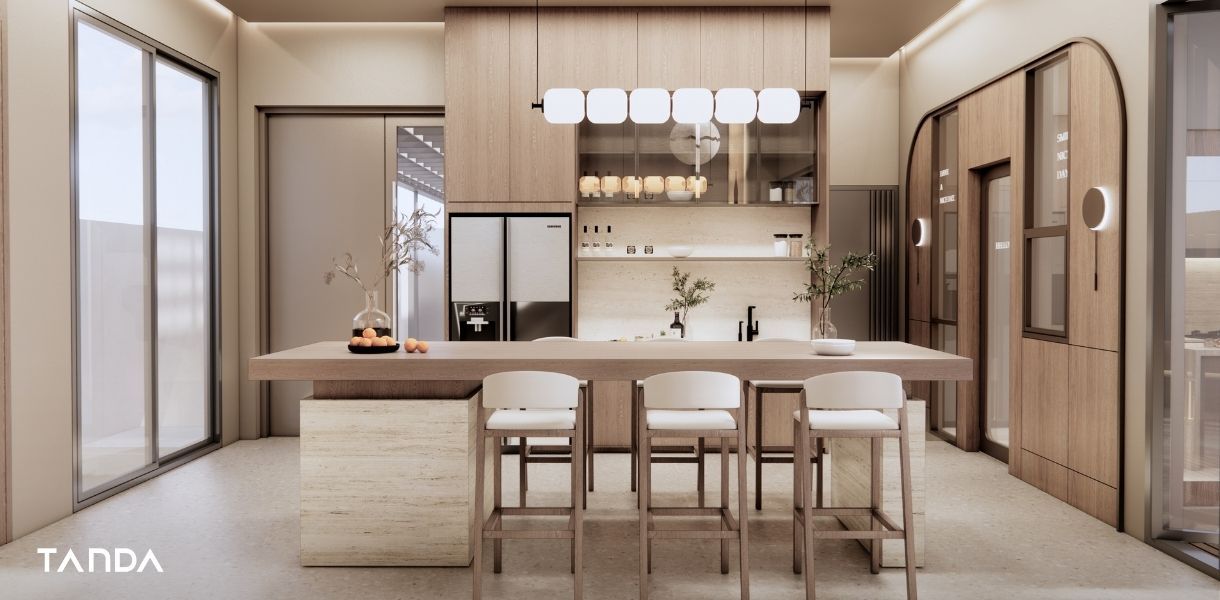
A great dining room is a balance between personal taste and practical use. From choosing the right table shape to utilizing the psychology of color and light, you can turn an everyday corner into a special retreat. It’s about creating an inviting atmosphere that impresses guests and nurtures family connections.
Tanda Design Studio is ready to assist you with comprehensive home decoration services. We focus on premium aesthetics paired with real-world functionality. Whether you need a kitchen design or a large-scale dining area layout, we provide expert consultation to ensure your dining room becomes the heart of your home.
A round table or an extendable table is best. Round tables lack corners, creating better flow, while extendable tables save space daily but are ready for guests instantly.
The base of a dining room pendant light should be approximately 75–90 cm above the tabletop. This provides optimal light without blocking the view during conversation.
Using a rug is an excellent way to define the space and provide sound absorption. However, you should choose a low-maintenance material and ensure the rug extends 60–90 cm beyond the table on all sides. This ensures that when chairs are pulled out, the legs remain securely and steadily on the rug surface.
Tempered glass or engineered stone. They are resistant to heat and scratches and do not absorb stains, making them much easier to wipe clean than natural wood.
You can define boundaries by using an area rug specifically for the dining zone or installing a pendant light to create a central focal point. Additionally, strategic furniture placement—such as using the backs of chairs or low storage cabinets—can clearly divide the space without the need for walls, keeping the room feeling open and spacious.
2026-06-03
This article compiles 11 cafe-style house ideas—ranging from Minimalist and Tropical to Vintage and Loft—along with techniques for creating photo-ready corners…
Read more →
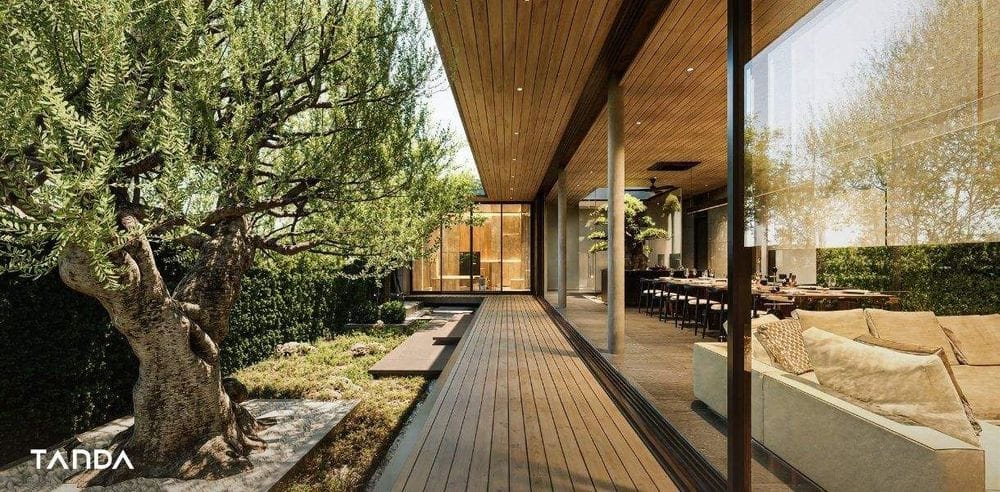
2026-05-27
Is your home feeling more like an oven lately? You are not alone. Heat buildup is a common struggle, especially in tropical climates, but it doesn't have to be…
Read more →
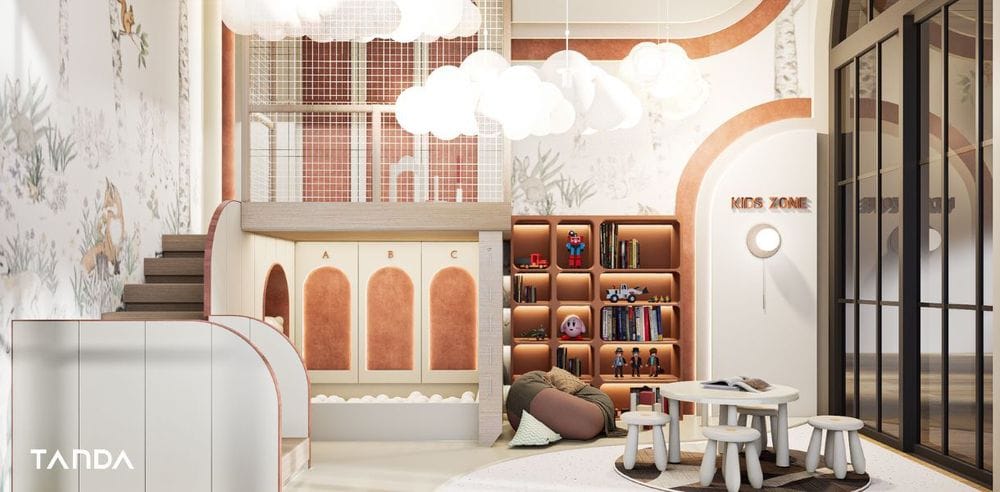
2026-05-26
When planning a private space for your little ones, safety is naturally the top priority. A well-thought-out kids' bedroom decoration idea does more than just l…
Read more →
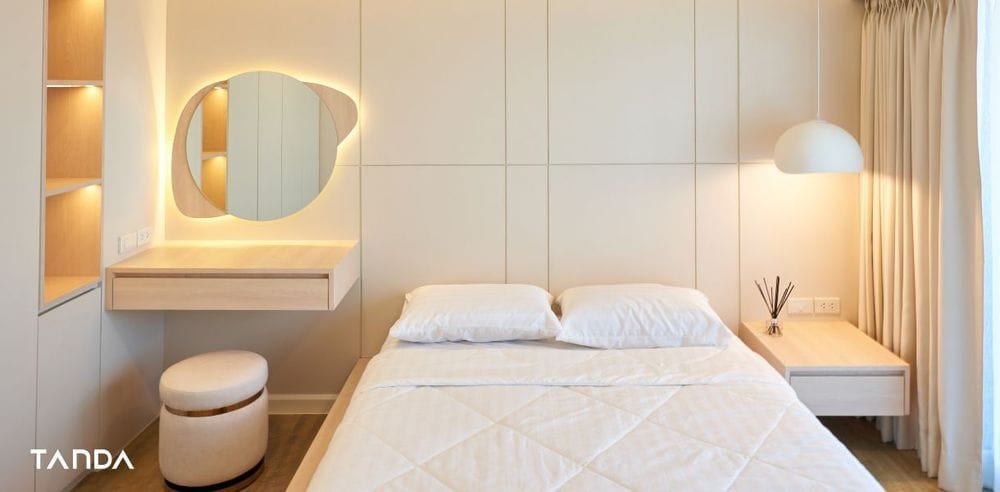
2026-05-26
Walking into a new, empty condo can be overwhelming. When the layout doesn't align with your daily routine, that initial excitement often turns into stress. You…
Read more →
2026-04-03
White is more than just a color; it is a tool to create a sophisticated and restful atmosphere. The unique quality of white lies in its limitless ability to shi…
Read more →
2026-04-03
For home chefs and culinary enthusiasts, storage is the heart of a seamless cooking experience. A Pantry Room is a dedicated area or room used to store ingredie…
Read more →
Imagine the aroma of your favorite meal wafting through the air, accompanied by laughter and conversation around the table. After a long day, the dining room serves as a vital hub that reconnects every family member.
Preparing this space to welcome every smile means more than just placing furniture. Designing a Dining Room that is both beautiful and functional requires a blend of popular decor ideas and expert tips on lighting, color palettes, and furniture selection. Turn an ordinary eating corner into a joyful space where everyone wants to linger a little longer.
A dining room is a primary social space—far more than just a place to eat. It is a focal point that draws members together, helping bridge gaps and build understanding through the daily exchange of stories.
Simultaneously, this area acts as a formal reception zone. A stylishly decorated dining room reflects the homeowner's taste and personality, ensuring every meal is filled with meaning and aesthetic pleasure.
A good layout is the secret to a dining room that feels comfortable rather than cramped. Specifically, maintaining a distance of 90–120 cm between the table and walls (or other furniture) allows for easy movement and chair clearance.
In addition to spacing, choosing a style that matches the rest of the home creates a seamless flow. Whether you prefer modern dining room furniture, simple minimalism, or an open-plan zone connected to the living room, a unified design theme communicates sophisticated taste and fosters relaxation.
The right style transforms a meal into an experience. If you are seeking inspiration, consider these popular styles:
Elevate your meals with high-end materials like uniquely patterned marble and polished gold stainless steel. Popular dining room wall colors for this look include cream or deep charcoal, which make tempered glass or marble tables stand out as luxurious centerpieces.
For a friendly, relaxed vibe, Scandinavian design—which emphasizes light woods and natural light—is the perfect answer. Choosing simple furniture keeps the room feeling airy. This is also an excellent small dining room decor idea, as it makes limited spaces feel warm and significantly more spacious.
For those who love a "raw" aesthetic, the industrial loft style features exposed brick and black steel structures. Installing bell-shaped or matte black dining room pendant lights brings out the charm of this style, adding an artistic flair to your meals.
Choosing the primary furniture is like laying the foundation for the room. The right shape and size ensure the atmosphere remains balanced.
Colors and lighting are the soul of the dining room, influencing both the mood and the perceived flavor of the food.
Table styling adds aesthetic value to even the simplest weekday menu.
A great dining room is a balance between personal taste and practical use. From choosing the right table shape to utilizing the psychology of color and light, you can turn an everyday corner into a special retreat. It’s about creating an inviting atmosphere that impresses guests and nurtures family connections.
Tanda Design Studio is ready to assist you with comprehensive home decoration services. We focus on premium aesthetics paired with real-world functionality. Whether you need a kitchen design or a large-scale dining area layout, we provide expert consultation to ensure your dining room becomes the heart of your home.
A round table or an extendable table is best. Round tables lack corners, creating better flow, while extendable tables save space daily but are ready for guests instantly.
The base of a dining room pendant light should be approximately 75–90 cm above the tabletop. This provides optimal light without blocking the view during conversation.
Using a rug is an excellent way to define the space and provide sound absorption. However, you should choose a low-maintenance material and ensure the rug extends 60–90 cm beyond the table on all sides. This ensures that when chairs are pulled out, the legs remain securely and steadily on the rug surface.
Tempered glass or engineered stone. They are resistant to heat and scratches and do not absorb stains, making them much easier to wipe clean than natural wood.
You can define boundaries by using an area rug specifically for the dining zone or installing a pendant light to create a central focal point. Additionally, strategic furniture placement—such as using the backs of chairs or low storage cabinets—can clearly divide the space without the need for walls, keeping the room feeling open and spacious.
