
2026-06-03
11 Cafe-Style Home Ideas: Create Your Dream Home Cafe
This article compiles 11 cafe-style house ideas—ranging from Minimalist and Tropical to Vintage and Loft—along with techniques for creating photo-ready corners…
Read more →
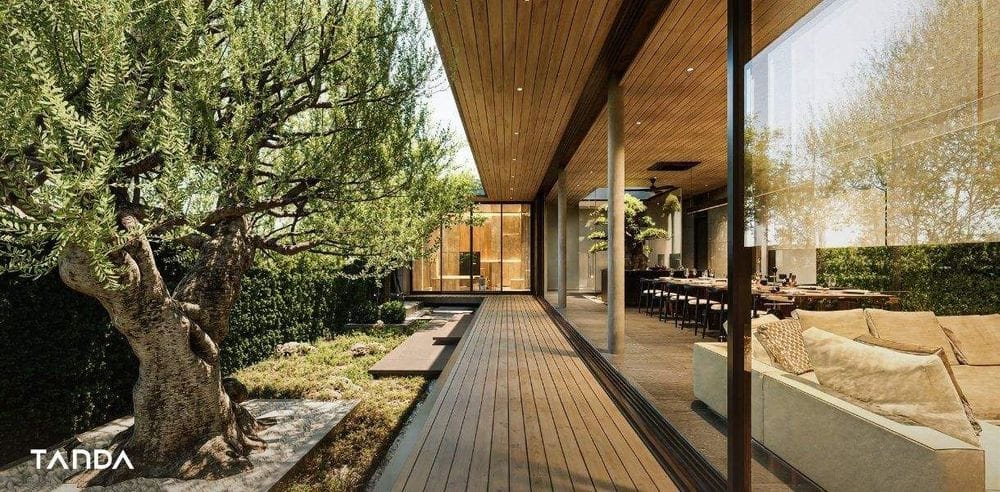
Is your home feeling more like an oven lately? You are not alone. Heat buildup is a common struggle, especially in tropical climates, but it doesn't have to be permanent. This article compiles 15 effective methods to combat a sweltering home—ranging from simple airflow adjustments and window films to DIY cooling hacks and long-term renovations. Is your home feeling more like an oven lately? You are not alone. Heat buildup is a common struggle, especially in tropical climates, but it doesn't have to be permanent. This article compiles 15 effective methods to combat a sweltering home—ranging from simple airflow adjustments and window films to DIY cooling hacks and long-term renovations.
Whether you are looking for a quick fix or planning a professional energy-saving home upgrade, these tips will help lower your indoor temperature, reduce electricity bills, and transform your living space into a refreshing private oasis.
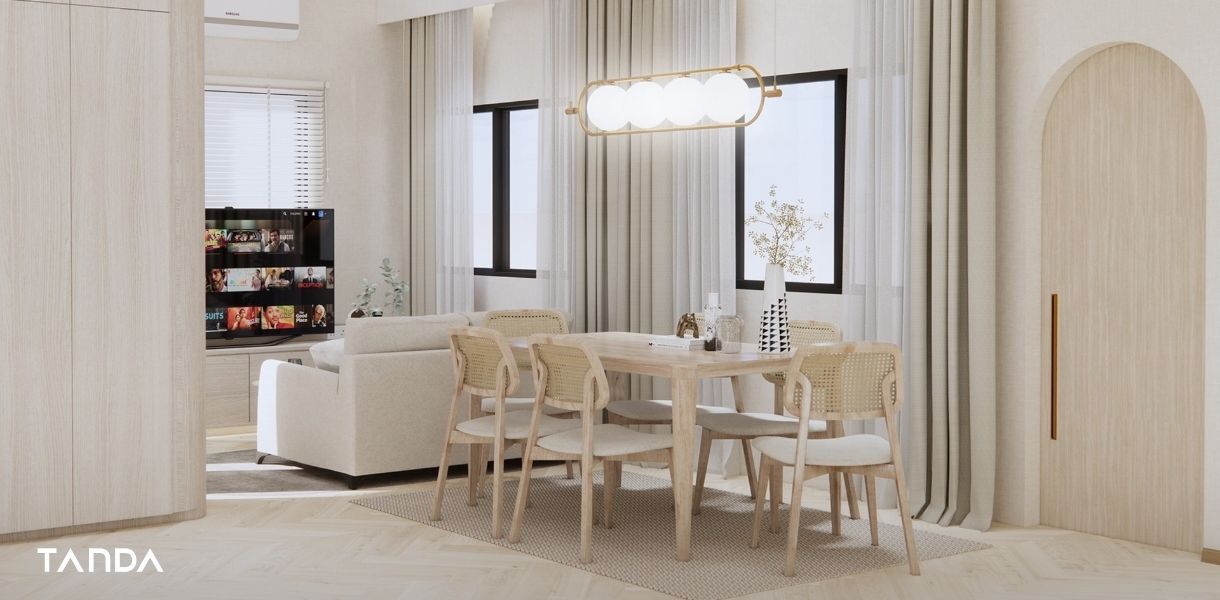
Opening windows on opposite sides of a room creates a natural breeze known as cross-ventilation. This technique flushes out trapped hot air and replaces it with fresh, moving air. For maximum effect, ensure the intake and exhaust points are aligned or slightly offset to maintain a continuous flow.
In stagnant rooms where natural wind is minimal, an exhaust fan is essential. Since hot air rises, installing a fan near the ceiling helps pull the warmest air out, forcing cooler air to circulate below. While not as cold as AC, it significantly improves comfort and reduces humidity.
Glass windows are the biggest entry points for heat. High-quality window films reflect UV rays and infrared heat before they enter your home. This protection lightens the load on your air conditioner and prevents your furniture from fading over time.
Blackout or UV-resistant curtains act as a thermal barrier, especially on upper floors that face the sun all day. Combined with window film, these curtains can lower surface temperatures in a room by several degrees, making them a flexible and cost-effective cooling tool.
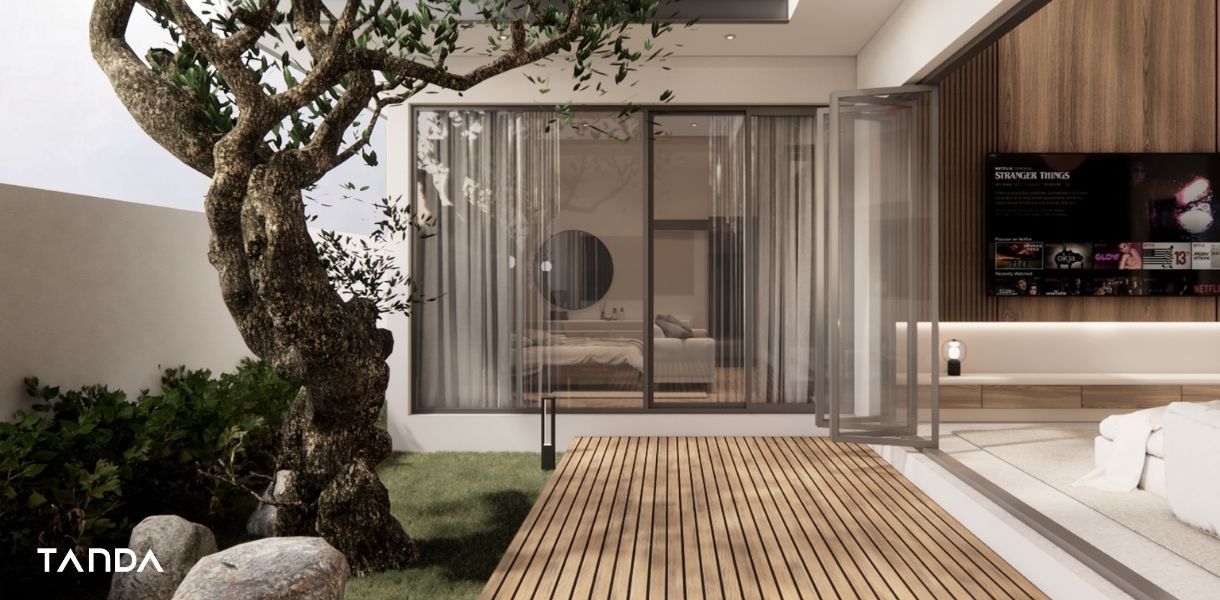
Greenery is a sustainable way to block heat. Trees absorb solar energy and release moisture through transpiration, cooling the surrounding air. Planting shade trees on the west or south sides of your home provides long-term energy savings and a natural, refreshing atmosphere.
Spraying a fine mist of water on your roof or around the house helps dissipate heat through evaporation. This cools down the exterior walls, preventing them from radiating heat inward. Pairing this with an evaporative cooling fan in the path of the wind can quickly drop the afternoon temperature.
The roof receives the most direct sunlight. Installing thick insulation under the roofing sheets or above the ceiling acts as a buffer, preventing thermal energy from penetrating your bedrooms. Look for materials with high R-values (thermal resistance) for the best long-term investment.
Modern "Cool Paint" technology uses ceramic microspheres to reflect solar radiation away from your walls. Opting for light tones further reduces heat absorption. This technology is also available for rooftops and decks, helping lower surface temperatures significantly.
External louvered shades or awnings create a permanent shadow over walls and windows. By blocking the sun before it hits the building’s skin, you address the heat problem at its source while still allowing for natural light and airflow.
For townhomes or buildings with concrete rooftops, heat often soaks into the slab and radiates downward. DIY solutions like laying artificial turf or creating a rooftop garden act as natural insulation, protecting the concrete from the sun and providing a new, cool relaxation spot.
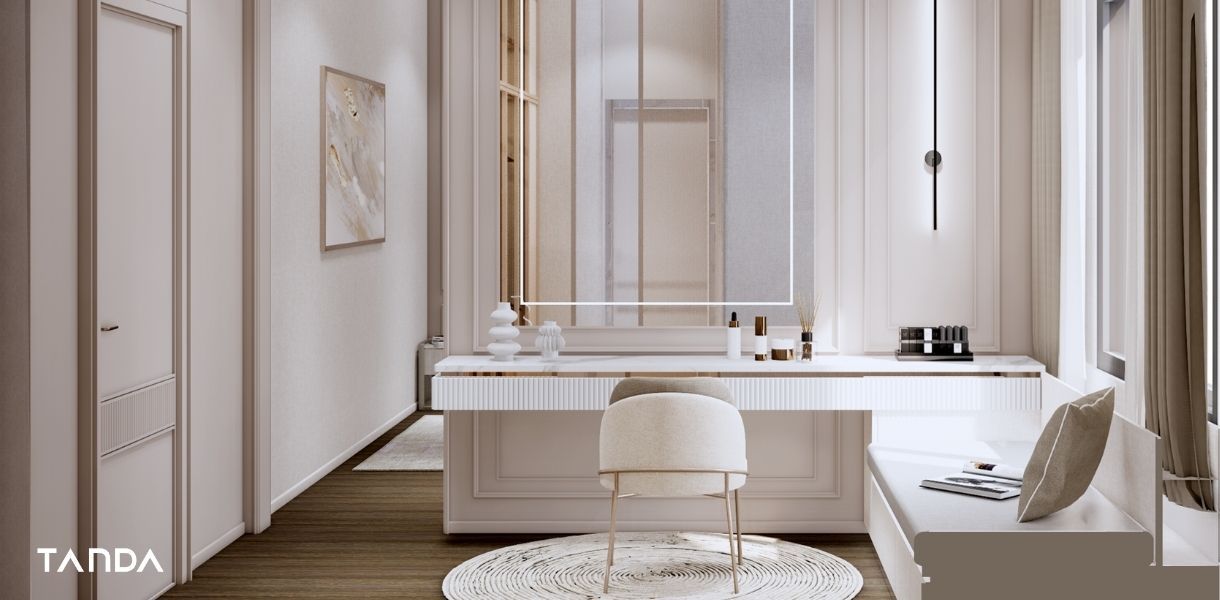
Traditional incandescent bulbs are surprisingly hot, converting up to 90% of energy into heat. Switching to LED bulbs reduces internal heat radiation and lowers your electricity bill, making it one of the simplest "quick wins" for a cooler home.
Large furniture like wardrobes or bookshelves can block the path of the wind. Rearranging your layout to keep windows and doors clear allows air to circulate freely. A minimalist, "open" layout also reduces humidity and prevents heat from being trapped in dark corners.
Trapped heat in the attic space is a major contributor to a hot house. Installing a turbine ventilator or "whirlybird" allows hot air to escape continuously through the roof. This natural exhaust system is highly sustainable and works 24/7 without electricity.
A fine-mist system installed on a balcony or under the eaves can cool down the air before it enters your home. As hot wind passes through the mist, it undergoes evaporative cooling, turning a dry, hot breeze into a fresh, cool one.
Architectural designs that include a ventilated gap between the roof and the ceiling provide a natural thermal buffer. This prevents the ceiling from heating up too quickly. When combined with insulation, this is the most sustainable way to keep single-story homes cool throughout the day.
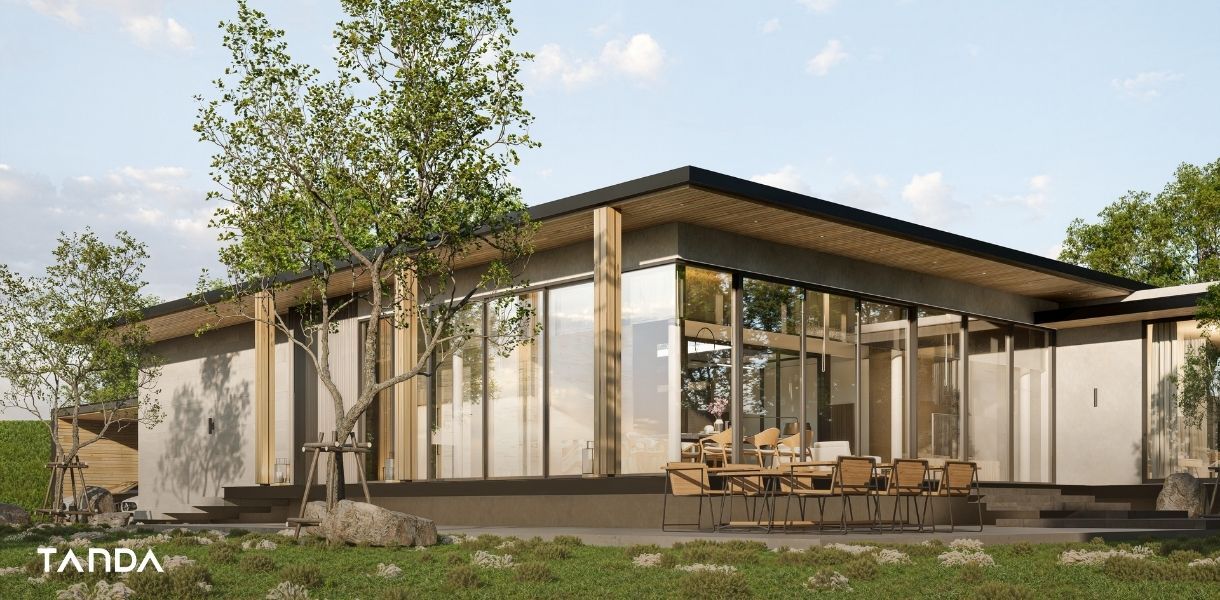
Solving a "hot house" problem requires a balanced approach: blocking heat entry and maximizing heat exit. By combining immediate fixes like window films and exhaust fans with long-term solutions like insulation and strategic landscaping, you can significantly lower indoor temperatures and save on energy costs.
Tanda Design Studio specializes in comprehensive interior design and home renovation solutions tailored to combat the tropical heat. Our professional team handles everything from wind-flow layouts and high-quality insulation selection to natural landscape planning. Let us help you transform every square inch of your home into a cool, livable sanctuary.
Focus on the west-facing side. Install external sunshades or awnings to block the sun before it hits the wall, and use UV-blocking film on windows to reduce heat accumulation.
An exhaust fan is your best bet. It pulls the stagnant hot air out, creating a pressure difference that brings in fresher air from other openings.
Yes, it offers significant long-term savings by tackling heat at its source through natural methods. Investing in insulation or optimizing airflow reduces the need for air conditioning, preventing the unit from overworking and lowering your energy bills.
Yes, it is the most effective point of intervention. Since the roof is the largest surface area exposed to the sun, insulation can prevent up to 70% of heat from radiating into your living space.
Install a roof ventilator to flush out attic heat and use thick ceiling insulation. If you have a flat roof or deck, adding artificial turf or a garden can stop the concrete slab from soaking up the sun's heat.
2026-06-03
This article compiles 11 cafe-style house ideas—ranging from Minimalist and Tropical to Vintage and Loft—along with techniques for creating photo-ready corners…
Read more →

2026-05-27
Imagine the aroma of your favorite meal wafting through the air, accompanied by laughter and conversation around the table. After a long day, the dining room se…
Read more →
2026-05-26
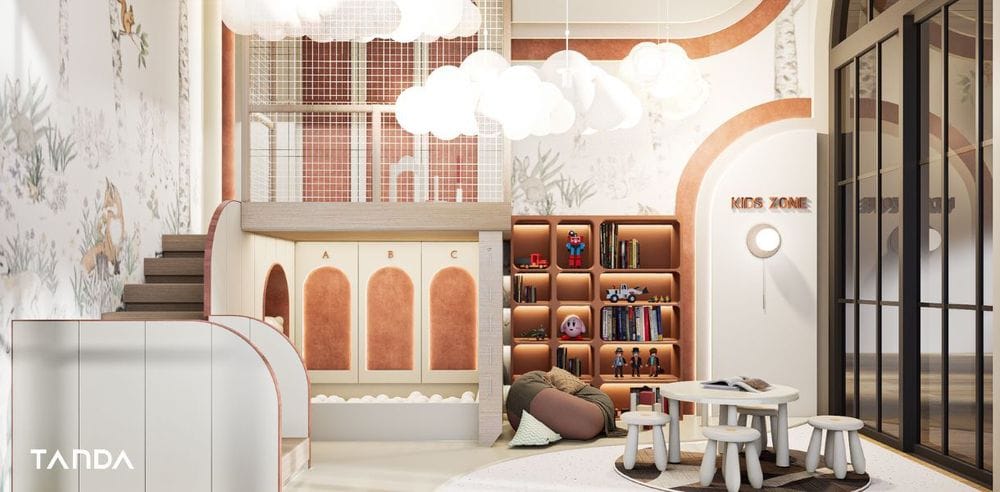
When planning a private space for your little ones, safety is naturally the top priority. A well-thought-out kids' bedroom decoration idea does more than just l…
Read more →
2026-05-26
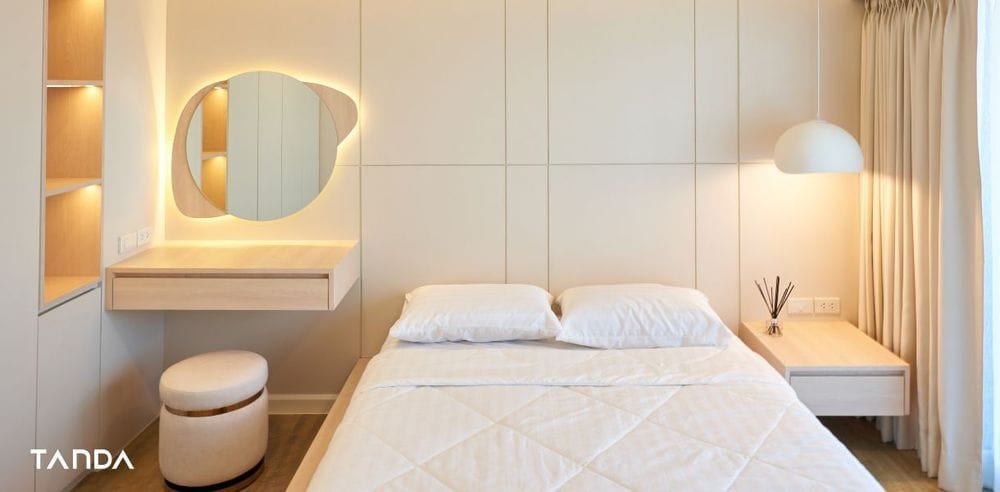
Walking into a new, empty condo can be overwhelming. When the layout doesn't align with your daily routine, that initial excitement often turns into stress. You…
Read more →
2026-04-03
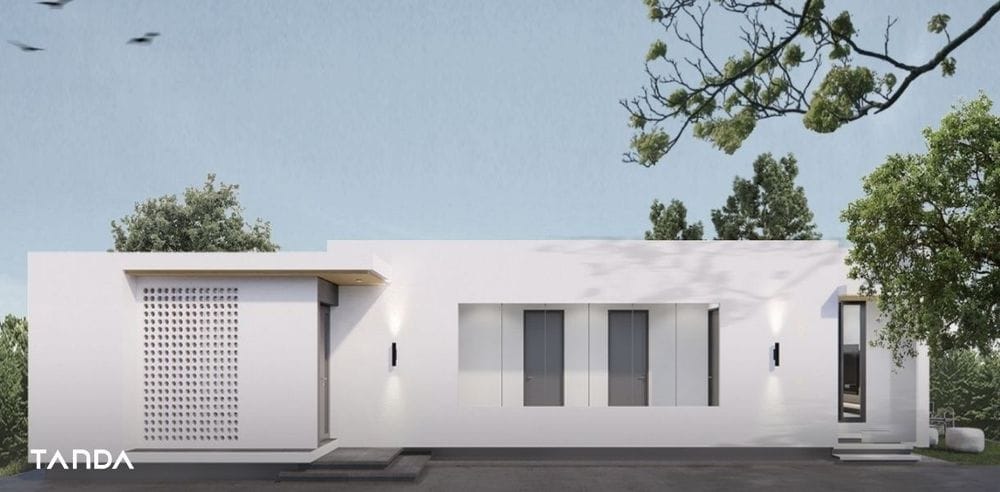
White is more than just a color; it is a tool to create a sophisticated and restful atmosphere. The unique quality of white lies in its limitless ability to shi…
Read more →
2026-04-03
For home chefs and culinary enthusiasts, storage is the heart of a seamless cooking experience. A Pantry Room is a dedicated area or room used to store ingredie…
Read more →
Is your home feeling more like an oven lately? You are not alone. Heat buildup is a common struggle, especially in tropical climates, but it doesn't have to be permanent. This article compiles 15 effective methods to combat a sweltering home—ranging from simple airflow adjustments and window films to DIY cooling hacks and long-term renovations. Is your home feeling more like an oven lately? You are not alone. Heat buildup is a common struggle, especially in tropical climates, but it doesn't have to be permanent. This article compiles 15 effective methods to combat a sweltering home—ranging from simple airflow adjustments and window films to DIY cooling hacks and long-term renovations.
Whether you are looking for a quick fix or planning a professional energy-saving home upgrade, these tips will help lower your indoor temperature, reduce electricity bills, and transform your living space into a refreshing private oasis.
Opening windows on opposite sides of a room creates a natural breeze known as cross-ventilation. This technique flushes out trapped hot air and replaces it with fresh, moving air. For maximum effect, ensure the intake and exhaust points are aligned or slightly offset to maintain a continuous flow.
In stagnant rooms where natural wind is minimal, an exhaust fan is essential. Since hot air rises, installing a fan near the ceiling helps pull the warmest air out, forcing cooler air to circulate below. While not as cold as AC, it significantly improves comfort and reduces humidity.
Glass windows are the biggest entry points for heat. High-quality window films reflect UV rays and infrared heat before they enter your home. This protection lightens the load on your air conditioner and prevents your furniture from fading over time.
Blackout or UV-resistant curtains act as a thermal barrier, especially on upper floors that face the sun all day. Combined with window film, these curtains can lower surface temperatures in a room by several degrees, making them a flexible and cost-effective cooling tool.
Greenery is a sustainable way to block heat. Trees absorb solar energy and release moisture through transpiration, cooling the surrounding air. Planting shade trees on the west or south sides of your home provides long-term energy savings and a natural, refreshing atmosphere.
Spraying a fine mist of water on your roof or around the house helps dissipate heat through evaporation. This cools down the exterior walls, preventing them from radiating heat inward. Pairing this with an evaporative cooling fan in the path of the wind can quickly drop the afternoon temperature.
The roof receives the most direct sunlight. Installing thick insulation under the roofing sheets or above the ceiling acts as a buffer, preventing thermal energy from penetrating your bedrooms. Look for materials with high R-values (thermal resistance) for the best long-term investment.
Modern "Cool Paint" technology uses ceramic microspheres to reflect solar radiation away from your walls. Opting for light tones further reduces heat absorption. This technology is also available for rooftops and decks, helping lower surface temperatures significantly.
External louvered shades or awnings create a permanent shadow over walls and windows. By blocking the sun before it hits the building’s skin, you address the heat problem at its source while still allowing for natural light and airflow.
For townhomes or buildings with concrete rooftops, heat often soaks into the slab and radiates downward. DIY solutions like laying artificial turf or creating a rooftop garden act as natural insulation, protecting the concrete from the sun and providing a new, cool relaxation spot.
Traditional incandescent bulbs are surprisingly hot, converting up to 90% of energy into heat. Switching to LED bulbs reduces internal heat radiation and lowers your electricity bill, making it one of the simplest "quick wins" for a cooler home.
Large furniture like wardrobes or bookshelves can block the path of the wind. Rearranging your layout to keep windows and doors clear allows air to circulate freely. A minimalist, "open" layout also reduces humidity and prevents heat from being trapped in dark corners.
Trapped heat in the attic space is a major contributor to a hot house. Installing a turbine ventilator or "whirlybird" allows hot air to escape continuously through the roof. This natural exhaust system is highly sustainable and works 24/7 without electricity.
A fine-mist system installed on a balcony or under the eaves can cool down the air before it enters your home. As hot wind passes through the mist, it undergoes evaporative cooling, turning a dry, hot breeze into a fresh, cool one.
Architectural designs that include a ventilated gap between the roof and the ceiling provide a natural thermal buffer. This prevents the ceiling from heating up too quickly. When combined with insulation, this is the most sustainable way to keep single-story homes cool throughout the day.
Solving a "hot house" problem requires a balanced approach: blocking heat entry and maximizing heat exit. By combining immediate fixes like window films and exhaust fans with long-term solutions like insulation and strategic landscaping, you can significantly lower indoor temperatures and save on energy costs.
Tanda Design Studio specializes in comprehensive interior design and home renovation solutions tailored to combat the tropical heat. Our professional team handles everything from wind-flow layouts and high-quality insulation selection to natural landscape planning. Let us help you transform every square inch of your home into a cool, livable sanctuary.
Focus on the west-facing side. Install external sunshades or awnings to block the sun before it hits the wall, and use UV-blocking film on windows to reduce heat accumulation.
An exhaust fan is your best bet. It pulls the stagnant hot air out, creating a pressure difference that brings in fresher air from other openings.
Yes, it offers significant long-term savings by tackling heat at its source through natural methods. Investing in insulation or optimizing airflow reduces the need for air conditioning, preventing the unit from overworking and lowering your energy bills.
Yes, it is the most effective point of intervention. Since the roof is the largest surface area exposed to the sun, insulation can prevent up to 70% of heat from radiating into your living space.
Install a roof ventilator to flush out attic heat and use thick ceiling insulation. If you have a flat roof or deck, adding artificial turf or a garden can stop the concrete slab from soaking up the sun's heat.
