2026-06-03
11 Cafe-Style Home Ideas: Create Your Dream Home Cafe
This article compiles 11 cafe-style house ideas—ranging from Minimalist and Tropical to Vintage and Loft—along with techniques for creating photo-ready corners…
Read more →
Summary
In Bangkok’s hyper-competitive dining scene, a bar is no longer just a place to serve drinks—it is a magnetic centerpiece that defines a restaurant's identity. Especially in bustling business districts where patrons seek refined relaxation, a well-designed bar transforms a standard space into an extraordinary experience, increasing brand value and encouraging repeat visits.
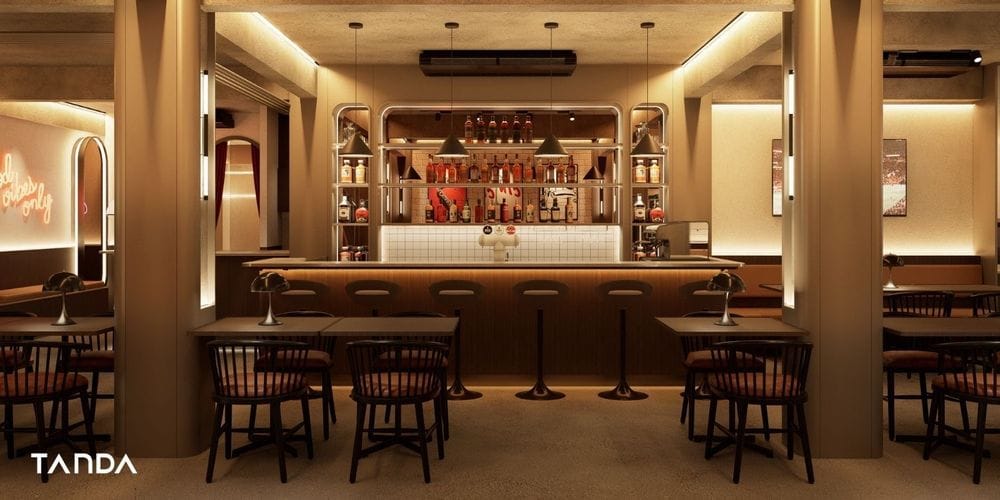
Whether you prefer the sleekness of Modern Luxury, the raw edge of Industrial, or the warmth of Minimalist design, modern bars now integrate high-loft ceilings, natural earth tones, and hybrid multi-functional layouts to cater to diverse lifestyles.
This style utilizes stunning marble countertops contrasted with reflective gold or silver stainless steel. The atmosphere is premium and alluring. Enhance the charm with hidden LED strips along the counter edges and spot-focus lighting to make premium bottles pop. This is ideal for hotel lounges or upscale city bars targeting an exclusive clientele.
Industrial bars celebrate the "honest" beauty of materials like exposed brick, polished concrete, and black steel frames. Decorated with custom Edison bulb fixtures, it creates a cool yet friendly vibe. This style is perfect for craft beer bars or "hidden gem" restaurants in historic districts.
Turn your bar into a soothing retreat with light wood, white or beige tones, and clean lines. By emphasizing natural light during the day and warm-white tones at night, you create an approachable and friendly environment. This is a top choice for cafe-bars or home beverage corners focused on tranquility.
Bring the vacation vibe to the city with rattan, wicker, and lush tropical greenery. Bamboo pendant lights create natural shadows that mimic a beachside sunset. This style suits rooftop bars or open-air restaurants looking to provide a lively, high-energy escape.
Timeless elegance is achieved through dark carved wood, leather upholstery, and intricate crown molding. Chandeliers or candlelight create a formal, sophisticated atmosphere. This is the gold standard for cigar bars or wine bars that want to offer a dignified, high-class drinking experience.
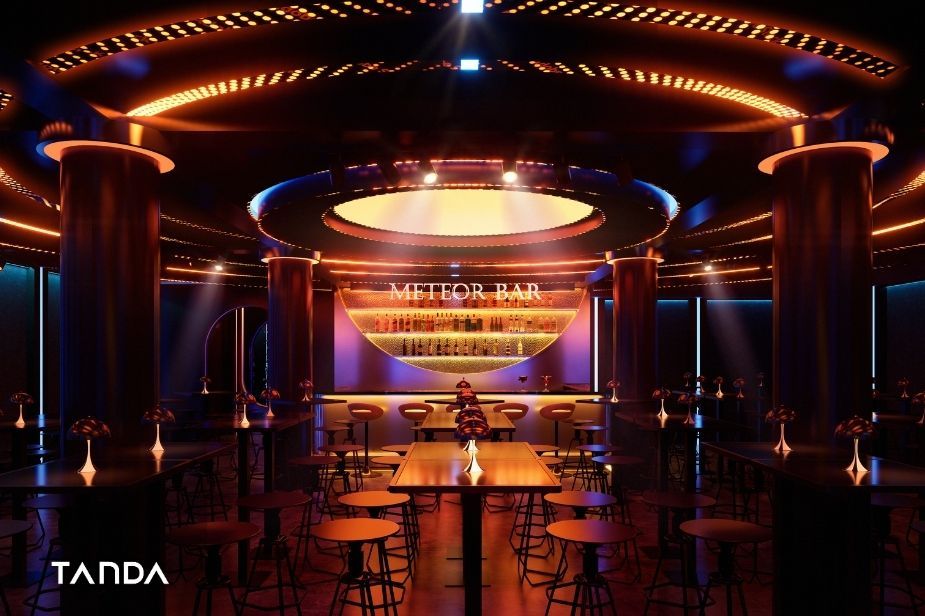
This design blends modern aesthetics with local flair or futuristic materials like acrylic and colored metals. Neon signage and graphic light lines add energy and movement, making it perfect for bars in business districts or fusion restaurants that cater to a dynamic urban lifestyle.
Focus on "lightness" by using mirrors, patterned glass, and transparent display cases to add depth to small spaces. Reflective lighting creates a subtle shimmer that feels clean and airy. This works exceptionally well for bars with limited square footage that still want a premium, spacious feel.
Take a trip back to the 70s or 80s with bold color palettes like mustard yellow, burnt orange, or brick red. Paired with tapered-leg furniture and nostalgic decor, soft globe lighting creates a dreamy atmosphere. It is the perfect setting for cocktail bars that encourage conversation and nostalgia.
Known for its grand, spacious feel, this style showcases exposed ceiling structures and raw rafters. Large statement chandeliers hanging from high ceilings fill the vertical space, preventing it from feeling empty. It is best suited for live music venues or large restaurants with a unique architectural identity.
Promote peace and relaxation using the colors of clay, stone, and sand. Minimalist curved plaster and smooth wood surfaces paired with heavily dimmed lighting create a "cocoon" or "oasis" feel. This is ideal for Speakeasies or wine bars where the focus is entirely on the flavor of the drink.
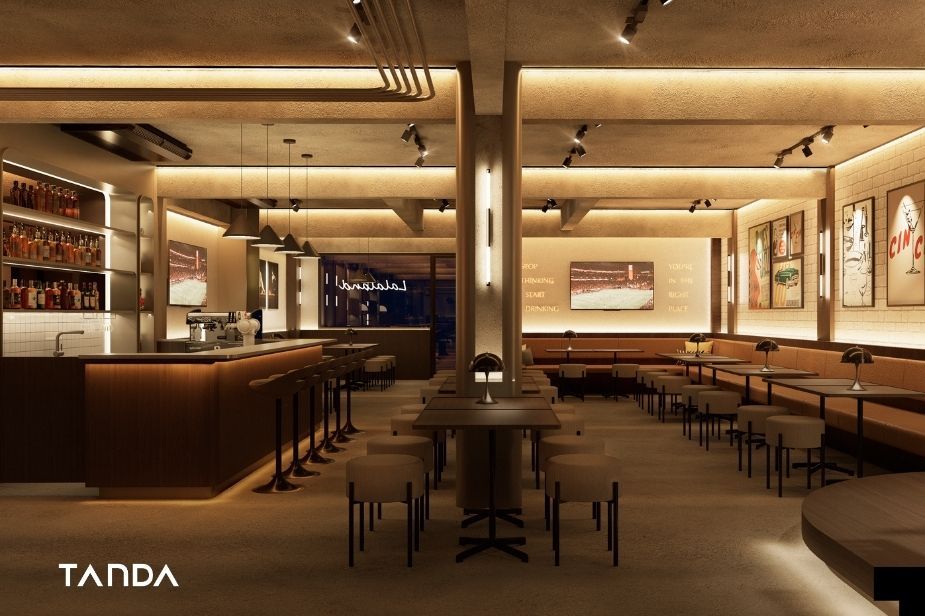
Adaptable design is key for modern businesses. Using modular furniture and smart lighting systems, a space can transition from a bright, airy cafe by day to a moody, intimate bar by night. This hybrid approach maximizes the utility of the venue across all hours of operation.
A beautiful bar must always be functional. The bar counter serves as both a service point and a piece of art, where materials and lighting combine to create a multi-dimensional guest experience. For competitive markets like Bangkok, bar design is a core part of branding. Whether you use light technology or specific architectural styles, the goal is to create a "check-in" worthy spot that people return to daily.
Bring your dream bar to life with Tanda Design Studio. Our professional interior designers and architects specialize in creating stylish, high-value bar spaces tailored to your business needs. Let us help you transform a simple seating area into a tasteful reflection of your brand’s identity.
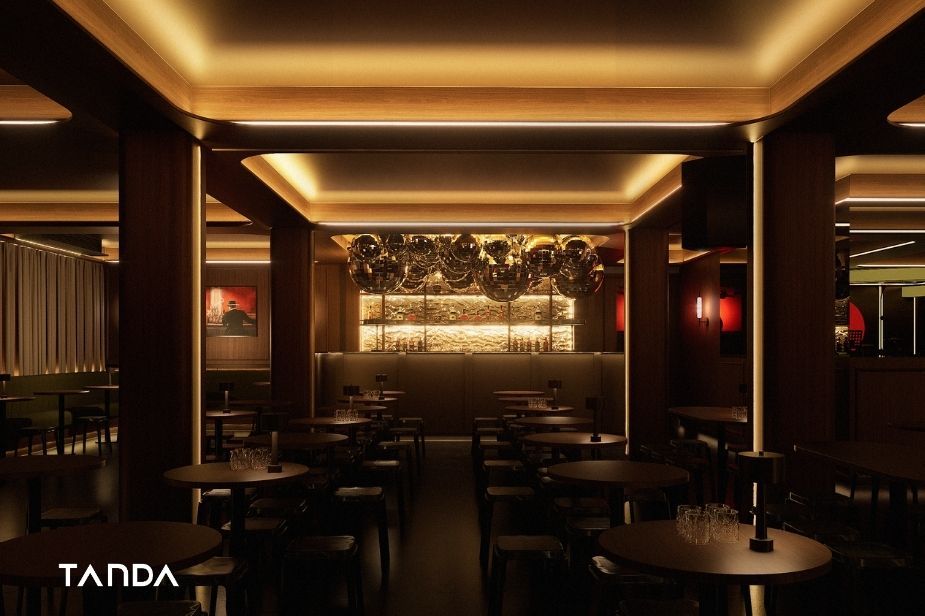
Start by defining your concept and primary drink menu. This dictates the Workflow behind the bar—from ice chest placement to liquor bottle displays and glass-washing stations—ensuring service remains fast and fluid.
The standard height for the customer side is 105 - 110 cm, which is comfortable for standard bar stools. The inner "work" counter for the bartender should be lower, around 85 - 90 cm, for better ergonomic beverage preparation.
Use Layered Lighting. Apply spotlights to liquor bottles, hide LED strips under the counter for depth, and use dim ambient lighting in seating areas to create a relaxing and mysterious atmosphere.
Install an efficient ventilation system and choose non-porous materials like synthetic stone or stainless steel. Ensure ice bins and sinks have proper drainage systems that are easy to clean to prevent moisture buildup and unpleasant smells.
If you serve premium wines, yes. Wine requires a stable temperature and humidity (approx. 12 - 18°C), which differs from standard bar room temperatures. A separate wine fridge or cellar preserves quality and enhances your professional image.
2026-06-03
This article compiles 11 cafe-style house ideas—ranging from Minimalist and Tropical to Vintage and Loft—along with techniques for creating photo-ready corners…
Read more →
2026-05-27
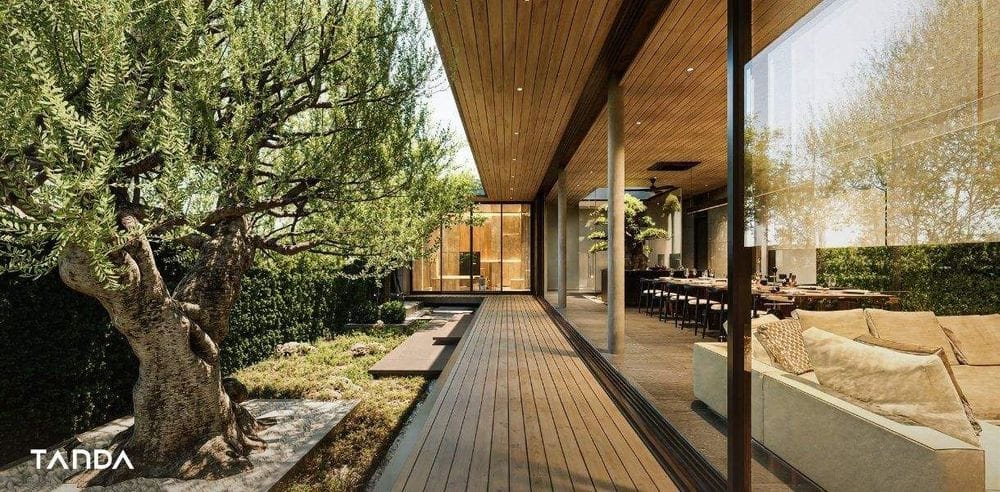
Is your home feeling more like an oven lately? You are not alone. Heat buildup is a common struggle, especially in tropical climates, but it doesn't have to be…
Read more →

2026-05-27
Imagine the aroma of your favorite meal wafting through the air, accompanied by laughter and conversation around the table. After a long day, the dining room se…
Read more →
2026-05-26
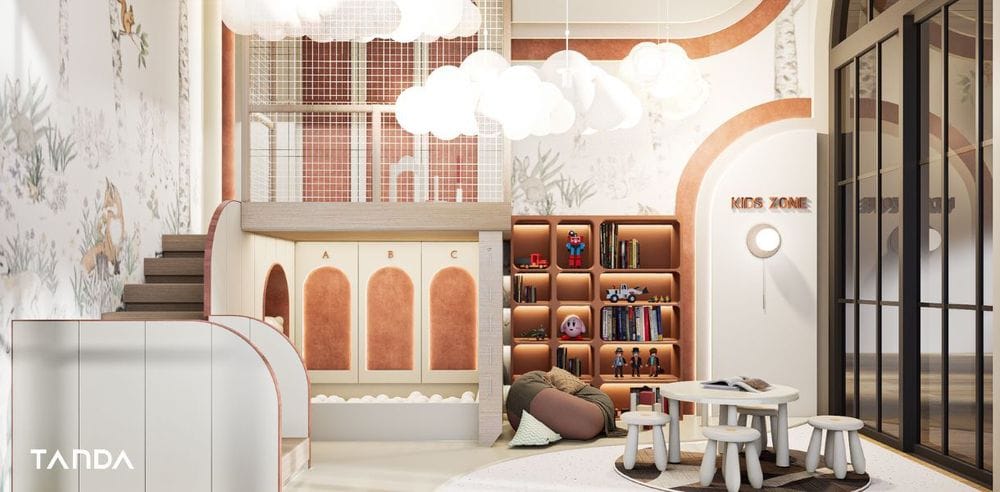
When planning a private space for your little ones, safety is naturally the top priority. A well-thought-out kids' bedroom decoration idea does more than just l…
Read more →
2026-05-26
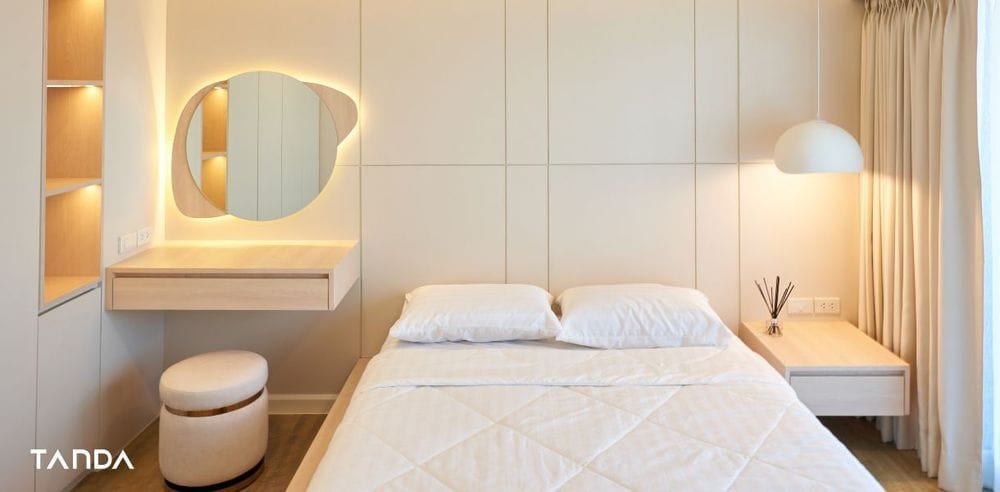
Walking into a new, empty condo can be overwhelming. When the layout doesn't align with your daily routine, that initial excitement often turns into stress. You…
Read more →
2026-04-03
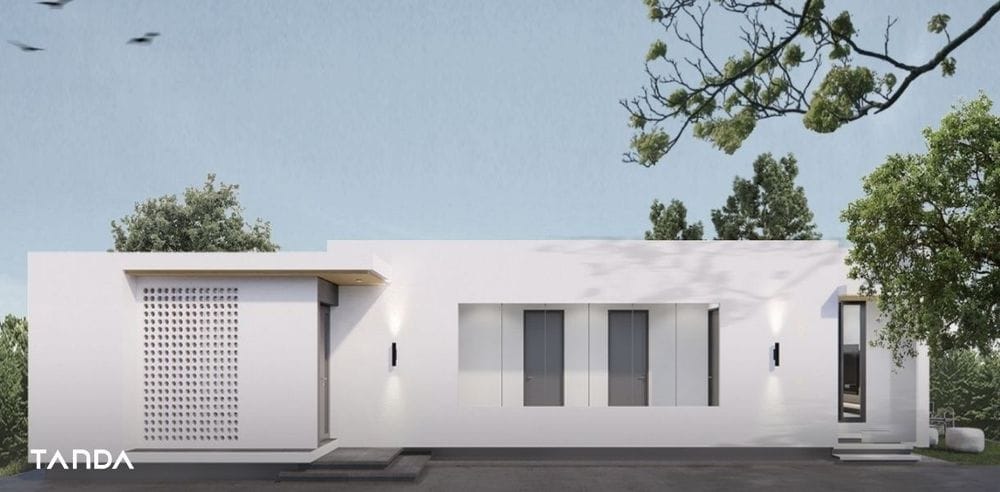
White is more than just a color; it is a tool to create a sophisticated and restful atmosphere. The unique quality of white lies in its limitless ability to shi…
Read more →
Summary
In Bangkok’s hyper-competitive dining scene, a bar is no longer just a place to serve drinks—it is a magnetic centerpiece that defines a restaurant's identity. Especially in bustling business districts where patrons seek refined relaxation, a well-designed bar transforms a standard space into an extraordinary experience, increasing brand value and encouraging repeat visits.
Whether you prefer the sleekness of Modern Luxury, the raw edge of Industrial, or the warmth of Minimalist design, modern bars now integrate high-loft ceilings, natural earth tones, and hybrid multi-functional layouts to cater to diverse lifestyles.
This style utilizes stunning marble countertops contrasted with reflective gold or silver stainless steel. The atmosphere is premium and alluring. Enhance the charm with hidden LED strips along the counter edges and spot-focus lighting to make premium bottles pop. This is ideal for hotel lounges or upscale city bars targeting an exclusive clientele.
Industrial bars celebrate the "honest" beauty of materials like exposed brick, polished concrete, and black steel frames. Decorated with custom Edison bulb fixtures, it creates a cool yet friendly vibe. This style is perfect for craft beer bars or "hidden gem" restaurants in historic districts.
Turn your bar into a soothing retreat with light wood, white or beige tones, and clean lines. By emphasizing natural light during the day and warm-white tones at night, you create an approachable and friendly environment. This is a top choice for cafe-bars or home beverage corners focused on tranquility.
Bring the vacation vibe to the city with rattan, wicker, and lush tropical greenery. Bamboo pendant lights create natural shadows that mimic a beachside sunset. This style suits rooftop bars or open-air restaurants looking to provide a lively, high-energy escape.
Timeless elegance is achieved through dark carved wood, leather upholstery, and intricate crown molding. Chandeliers or candlelight create a formal, sophisticated atmosphere. This is the gold standard for cigar bars or wine bars that want to offer a dignified, high-class drinking experience.
This design blends modern aesthetics with local flair or futuristic materials like acrylic and colored metals. Neon signage and graphic light lines add energy and movement, making it perfect for bars in business districts or fusion restaurants that cater to a dynamic urban lifestyle.
Focus on "lightness" by using mirrors, patterned glass, and transparent display cases to add depth to small spaces. Reflective lighting creates a subtle shimmer that feels clean and airy. This works exceptionally well for bars with limited square footage that still want a premium, spacious feel.
Take a trip back to the 70s or 80s with bold color palettes like mustard yellow, burnt orange, or brick red. Paired with tapered-leg furniture and nostalgic decor, soft globe lighting creates a dreamy atmosphere. It is the perfect setting for cocktail bars that encourage conversation and nostalgia.
Known for its grand, spacious feel, this style showcases exposed ceiling structures and raw rafters. Large statement chandeliers hanging from high ceilings fill the vertical space, preventing it from feeling empty. It is best suited for live music venues or large restaurants with a unique architectural identity.
Promote peace and relaxation using the colors of clay, stone, and sand. Minimalist curved plaster and smooth wood surfaces paired with heavily dimmed lighting create a "cocoon" or "oasis" feel. This is ideal for Speakeasies or wine bars where the focus is entirely on the flavor of the drink.
Adaptable design is key for modern businesses. Using modular furniture and smart lighting systems, a space can transition from a bright, airy cafe by day to a moody, intimate bar by night. This hybrid approach maximizes the utility of the venue across all hours of operation.
A beautiful bar must always be functional. The bar counter serves as both a service point and a piece of art, where materials and lighting combine to create a multi-dimensional guest experience. For competitive markets like Bangkok, bar design is a core part of branding. Whether you use light technology or specific architectural styles, the goal is to create a "check-in" worthy spot that people return to daily.
Bring your dream bar to life with Tanda Design Studio. Our professional interior designers and architects specialize in creating stylish, high-value bar spaces tailored to your business needs. Let us help you transform a simple seating area into a tasteful reflection of your brand’s identity.
Start by defining your concept and primary drink menu. This dictates the Workflow behind the bar—from ice chest placement to liquor bottle displays and glass-washing stations—ensuring service remains fast and fluid.
The standard height for the customer side is 105 - 110 cm, which is comfortable for standard bar stools. The inner "work" counter for the bartender should be lower, around 85 - 90 cm, for better ergonomic beverage preparation.
Use Layered Lighting. Apply spotlights to liquor bottles, hide LED strips under the counter for depth, and use dim ambient lighting in seating areas to create a relaxing and mysterious atmosphere.
Install an efficient ventilation system and choose non-porous materials like synthetic stone or stainless steel. Ensure ice bins and sinks have proper drainage systems that are easy to clean to prevent moisture buildup and unpleasant smells.
If you serve premium wines, yes. Wine requires a stable temperature and humidity (approx. 12 - 18°C), which differs from standard bar room temperatures. A separate wine fridge or cellar preserves quality and enhances your professional image.
