2026-06-03
11 Cafe-Style Home Ideas: Create Your Dream Home Cafe
This article compiles 11 cafe-style house ideas—ranging from Minimalist and Tropical to Vintage and Loft—along with techniques for creating photo-ready corners…
Read more →
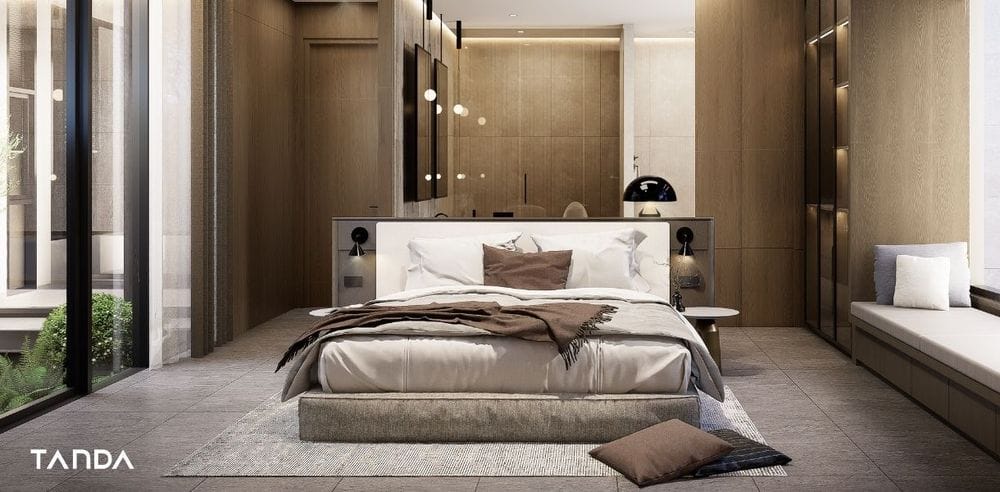
Every square inch of a building tells a story beyond its architecture; it reflects the identity and vision of its inhabitants. Transforming a vacant shell into a purposeful space requires a blend of art and science—a deep understanding of human behavior and aesthetic harmony. Our comprehensive interior design services are designed to turn your vision into reality.
From initial concept and strategic space planning to meticulous material selection and on-site project management, we ensure your home or business is both stunning and highly functional. Discover how expert design can elevate your quality of life and create a space that captivates every observer.
Summary
Interior design is far more than just arranging furniture to make a room look "nice." It is a specialized discipline focused on optimizing interior environments to reflect the occupant's personality and lifestyle. A successful interior project harmonizes beauty with utility, creating a space that is visually pleasing yet perfectly suited for daily activities.
To unlock the full potential of every square inch, professional design covers four critical pillars:
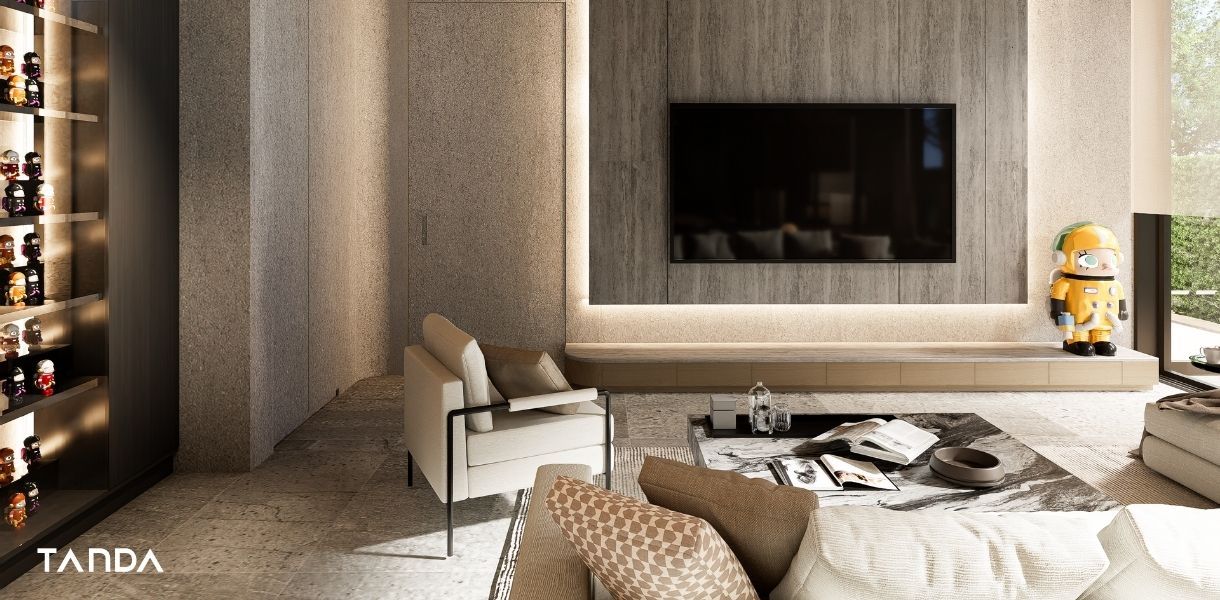
Investing in interior design is an investment in your long-term well-being and property assets.
To ensure a stress-free transformation, professional firms follow a systematic approach:
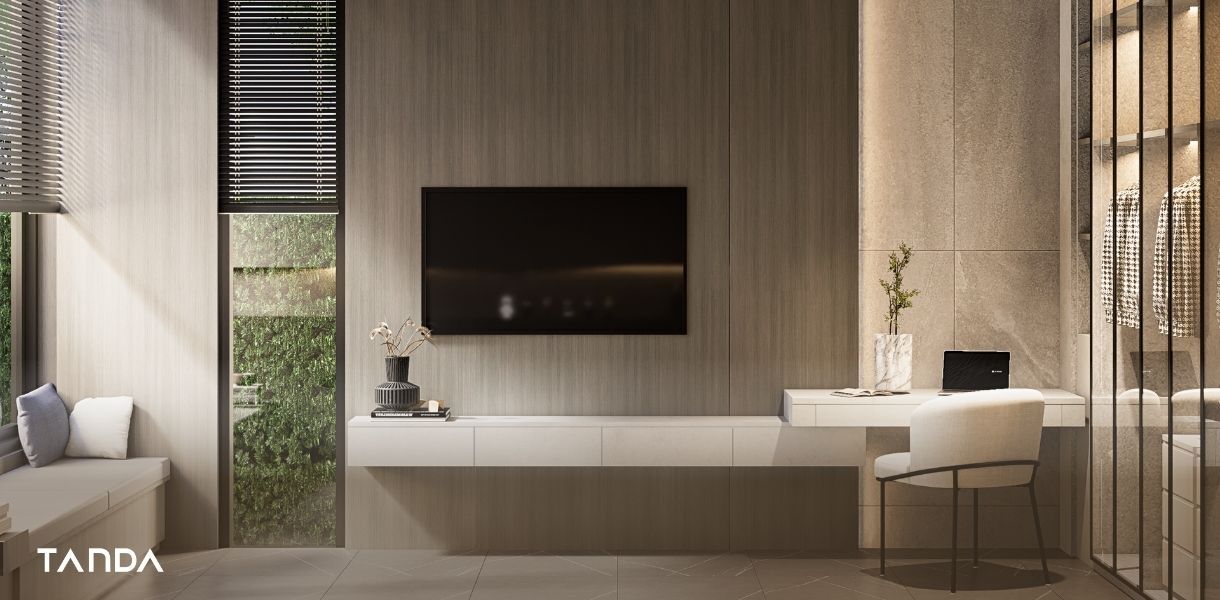
Clean lines and a "form follows function" approach. Uses neutral tones like white, grey, and black to create a sophisticated, professional, and clutter-free urban vibe.
Based on the "Less is More" philosophy. This style uses fewer, high-quality pieces and open layouts to create a breathable, serene environment perfect for relaxation.
Focuses on high-end materials like marble and gold accents. Every detail is refined to reflect prestige and transform a home into a breathtaking architectural statement.
Celebrates raw elements like exposed pipes, polished concrete, and brickwork. It offers a bold, masculine charm that feels spacious and uniquely artistic.
A fluid, ever-evolving style that blends current trends with comfort. It’s flexible, vibrant, and perfect for those who enjoy a mix of modern influences without rigid rules.
Inspired by Nordic simplicity, using light woods and bright palettes to maximize natural light. It creates a "Hygge" atmosphere—warm, cozy, and incredibly inviting.
Finding the right partner is crucial for bringing your dream to life. Consider these factors:
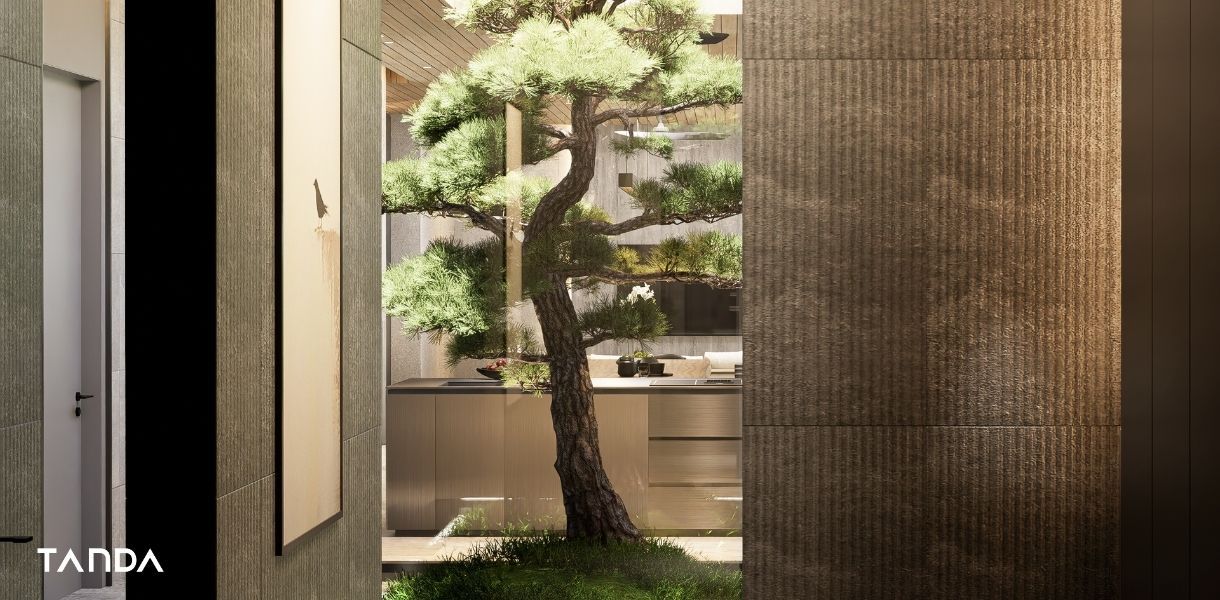
If you are looking for a partner to turn your imagination into a functional reality, Tanda Design Studio offers a premium design experience. We blend architectural precision with decorative art to ensure your space stands out.
Interior design is more than a cosmetic upgrade; it is a vital discipline that optimizes space for better living and higher property value. Whether you prefer a Modern, Minimal, or Modern Luxury aesthetic, choosing an experienced firm with a clear process is the key to staying on budget and achieving high-quality results.
Tanda Design Studio is ready to be your professional assistant, offering comprehensive design and decoration services for homes, condos, shops, and offices. Let us help you create a space that is as beautiful as it is functional.
Architects focus on the overall building structure, safety, and legal compliance. Interior Designers focus on the "soul" of the building—managing internal space, materials, aesthetics, and the fine details of daily living.
Freelancers offer flexibility and lower costs. However, a design firm provides a structured system, a full support team, and better insurance against project abandonment, ensuring a more stable and professional result.
Yes, but the design must include detailed engineering and system specs. It is highly recommended to keep the original designer as a consultant to ensure the execution doesn't deviate from the vision.
On average, 3 to 6 months. This includes 1–2 months for design finalization and 2–4 months for furniture production and on-site installation, depending on complexity.
Professional designers and technicians will collaborate to adjust the design as closely as possible to the original. They will find alternative materials or structural solutions to maintain the aesthetic while ensuring safety.
2026-06-03
This article compiles 11 cafe-style house ideas—ranging from Minimalist and Tropical to Vintage and Loft—along with techniques for creating photo-ready corners…
Read more →
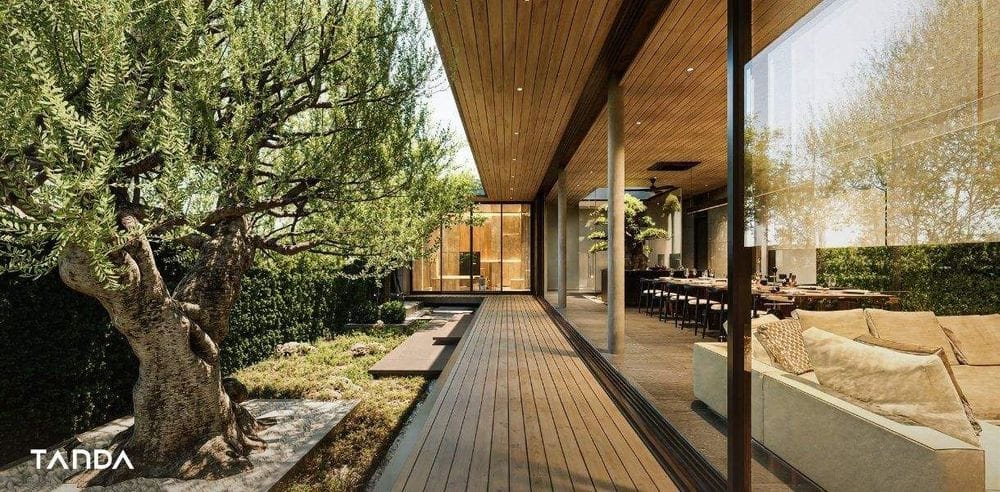
2026-05-27
Is your home feeling more like an oven lately? You are not alone. Heat buildup is a common struggle, especially in tropical climates, but it doesn't have to be…
Read more →

2026-05-27
Imagine the aroma of your favorite meal wafting through the air, accompanied by laughter and conversation around the table. After a long day, the dining room se…
Read more →
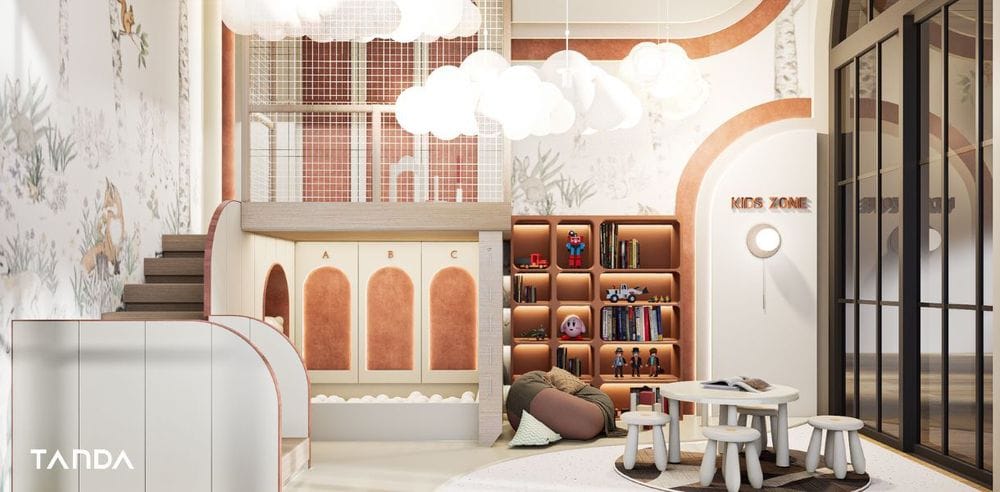
2026-05-26
When planning a private space for your little ones, safety is naturally the top priority. A well-thought-out kids' bedroom decoration idea does more than just l…
Read more →
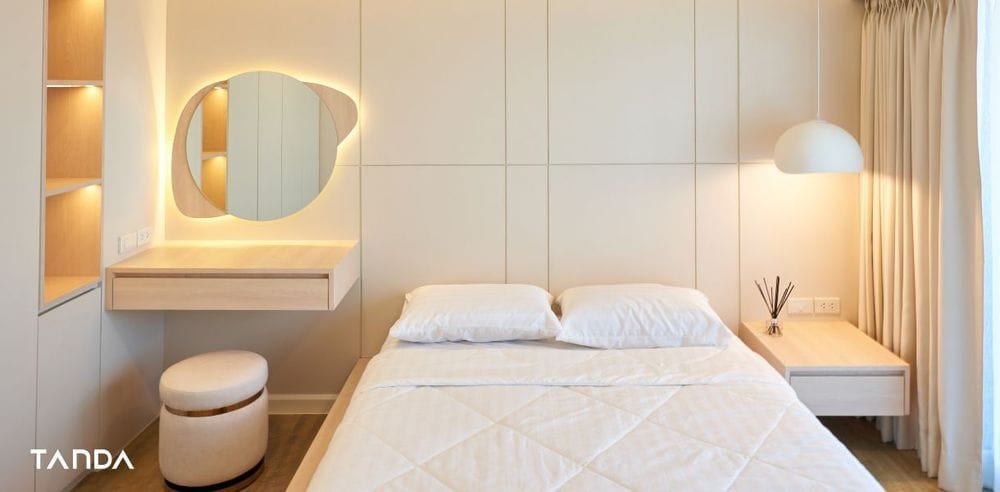
2026-05-26
Walking into a new, empty condo can be overwhelming. When the layout doesn't align with your daily routine, that initial excitement often turns into stress. You…
Read more →
2026-04-03
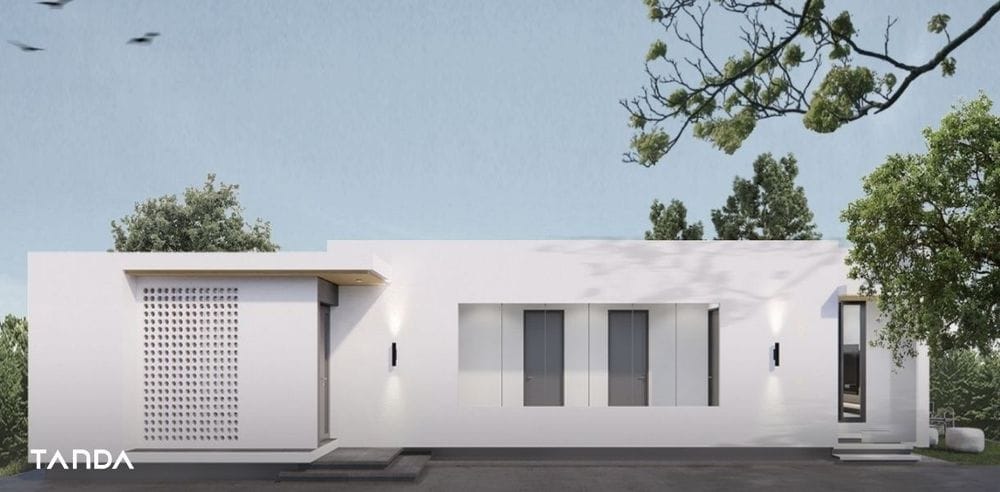
White is more than just a color; it is a tool to create a sophisticated and restful atmosphere. The unique quality of white lies in its limitless ability to shi…
Read more →
Every square inch of a building tells a story beyond its architecture; it reflects the identity and vision of its inhabitants. Transforming a vacant shell into a purposeful space requires a blend of art and science—a deep understanding of human behavior and aesthetic harmony. Our comprehensive interior design services are designed to turn your vision into reality.
From initial concept and strategic space planning to meticulous material selection and on-site project management, we ensure your home or business is both stunning and highly functional. Discover how expert design can elevate your quality of life and create a space that captivates every observer.
Summary
Interior design is far more than just arranging furniture to make a room look "nice." It is a specialized discipline focused on optimizing interior environments to reflect the occupant's personality and lifestyle. A successful interior project harmonizes beauty with utility, creating a space that is visually pleasing yet perfectly suited for daily activities.
To unlock the full potential of every square inch, professional design covers four critical pillars:
Investing in interior design is an investment in your long-term well-being and property assets.
To ensure a stress-free transformation, professional firms follow a systematic approach:
Clean lines and a "form follows function" approach. Uses neutral tones like white, grey, and black to create a sophisticated, professional, and clutter-free urban vibe.
Based on the "Less is More" philosophy. This style uses fewer, high-quality pieces and open layouts to create a breathable, serene environment perfect for relaxation.
Focuses on high-end materials like marble and gold accents. Every detail is refined to reflect prestige and transform a home into a breathtaking architectural statement.
Celebrates raw elements like exposed pipes, polished concrete, and brickwork. It offers a bold, masculine charm that feels spacious and uniquely artistic.
A fluid, ever-evolving style that blends current trends with comfort. It’s flexible, vibrant, and perfect for those who enjoy a mix of modern influences without rigid rules.
Inspired by Nordic simplicity, using light woods and bright palettes to maximize natural light. It creates a "Hygge" atmosphere—warm, cozy, and incredibly inviting.
Finding the right partner is crucial for bringing your dream to life. Consider these factors:
If you are looking for a partner to turn your imagination into a functional reality, Tanda Design Studio offers a premium design experience. We blend architectural precision with decorative art to ensure your space stands out.
Interior design is more than a cosmetic upgrade; it is a vital discipline that optimizes space for better living and higher property value. Whether you prefer a Modern, Minimal, or Modern Luxury aesthetic, choosing an experienced firm with a clear process is the key to staying on budget and achieving high-quality results.
Tanda Design Studio is ready to be your professional assistant, offering comprehensive design and decoration services for homes, condos, shops, and offices. Let us help you create a space that is as beautiful as it is functional.
Architects focus on the overall building structure, safety, and legal compliance. Interior Designers focus on the "soul" of the building—managing internal space, materials, aesthetics, and the fine details of daily living.
Freelancers offer flexibility and lower costs. However, a design firm provides a structured system, a full support team, and better insurance against project abandonment, ensuring a more stable and professional result.
Yes, but the design must include detailed engineering and system specs. It is highly recommended to keep the original designer as a consultant to ensure the execution doesn't deviate from the vision.
On average, 3 to 6 months. This includes 1–2 months for design finalization and 2–4 months for furniture production and on-site installation, depending on complexity.
Professional designers and technicians will collaborate to adjust the design as closely as possible to the original. They will find alternative materials or structural solutions to maintain the aesthetic while ensuring safety.
