2026-06-03
11 Cafe-Style Home Ideas: Create Your Dream Home Cafe
This article compiles 11 cafe-style house ideas—ranging from Minimalist and Tropical to Vintage and Loft—along with techniques for creating photo-ready corners…
Read more →
Summary
When discussing interior styles that remain captivating through the decades, many envision the classic silhouettes of Mid-Century design. This philosophy emphasizes simplicity, clear functionality, and clean lines—a perfect balance between modern flair and natural elements.
In today’s fast-paced world, the Mid-Century style is seeing a massive resurgence. It offers more than just iconic furniture; it provides a way to invite light and nature into our living spaces. Let’s dive deep into the details that make this style a global favorite for creating stylish, livable homes.
Mid-Century Modern refers to the design movement that flourished between 1945 and 1969. Born from the need for post-war innovation, it focuses on stripping away superfluous details in favor of utility, while maintaining aesthetic appeal through natural geometric silhouettes.
What sets this style apart from traditional European classics or modern minimalism is its bold experimentation with materials. It pairs solid hardwoods like teak with then-innovative materials such as fiberglass, steel, and molded plywood. Large windows are often used to integrate natural light into the design, creating a more vibrant feeling than standard modernism.
The Pioneers of MCM
The success of this movement was driven by visionary designers who viewed furniture as accessible art:
The design is defined by "cleanliness." You will find straight, simple lines in structural elements, such as tapered table legs or sharp rectangular cabinets. These are softened by Organic Forms—curves that mimic nature, like ergonomic chair backs or teardrop-shaped tables—ensuring the furniture feels alive rather than industrial.
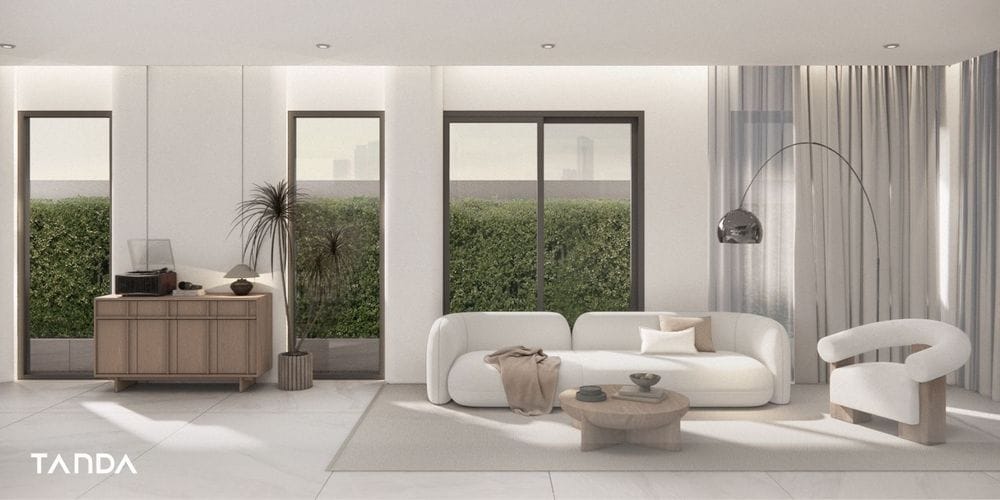
The charm lies in the fusion of the old and new. Natural wood, specifically teak or walnut with warm grains, is essential. This is often paired with metal and glass for structures or handles, adding a transparent, modern touch similar to Modern Luxury interiors.
The palette is unique, using earth tones like wood brown, beige, or olive green as a grounding base. To add energy, Accent Colors such as mustard orange, amber yellow, or turquoise blue are used strategically to reflect the optimism of the era.
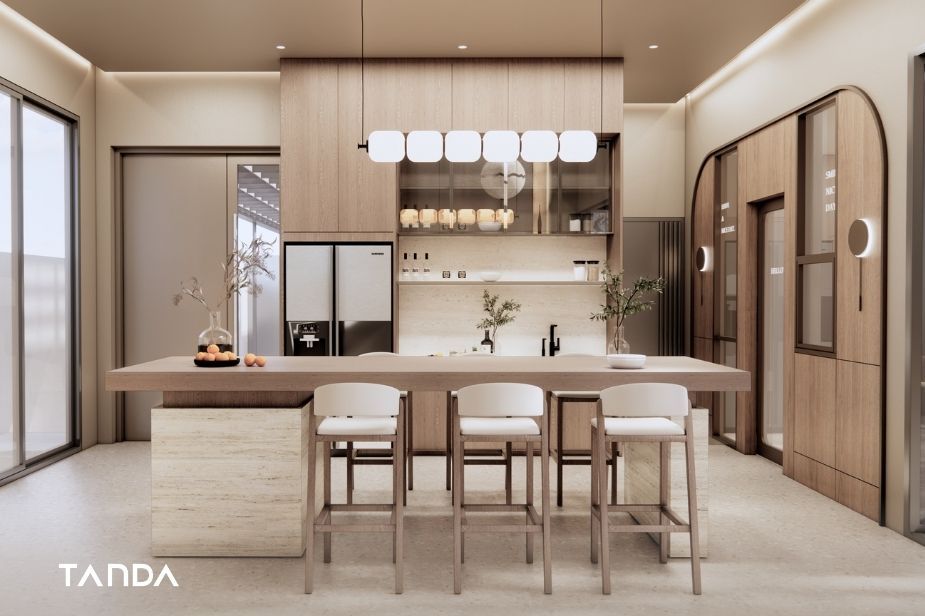
Choose pieces that "show their legs." Tapered legs lift furniture off the floor, making a room feel airy rather than heavy. Focus on a few statement pieces rather than overcrowding the room. Aim for a mix of authentic wood grains, leather, and textured woven fabrics for a sophisticated look.
A hallmark of MCM architecture is the open-plan layout, connecting the living, dining, and kitchen areas without walls. This encourages interaction and improves airflow. Use rugs or furniture groupings to define "zones" instead of partitions to keep the space wide and clean.
Natural light is a vital element. Large windows or glass sliding doors should be used to let sunlight reach every corner. Sunlight enhances the natural wood tones, and views of a garden help create a relaxing, organic atmosphere inside the home.
The philosophy of "simple, functional design" resonates across generations. Every piece is designed around ergonomics and utility, removing unnecessary complexity. Whether it is a single chair or a dining table, it serves its purpose perfectly while doubling as a piece of art.
Furthermore, it is incredibly easy to integrate into modern homes. Whether in a high-rise condo or a suburban house, the clean lines of MCM pair seamlessly with modern technology and other decor styles. Finally, MCM pieces are seen as "Sustainable Design Investments." Many are iconic pieces of history that appreciate in value, becoming heirlooms passed down through generations.
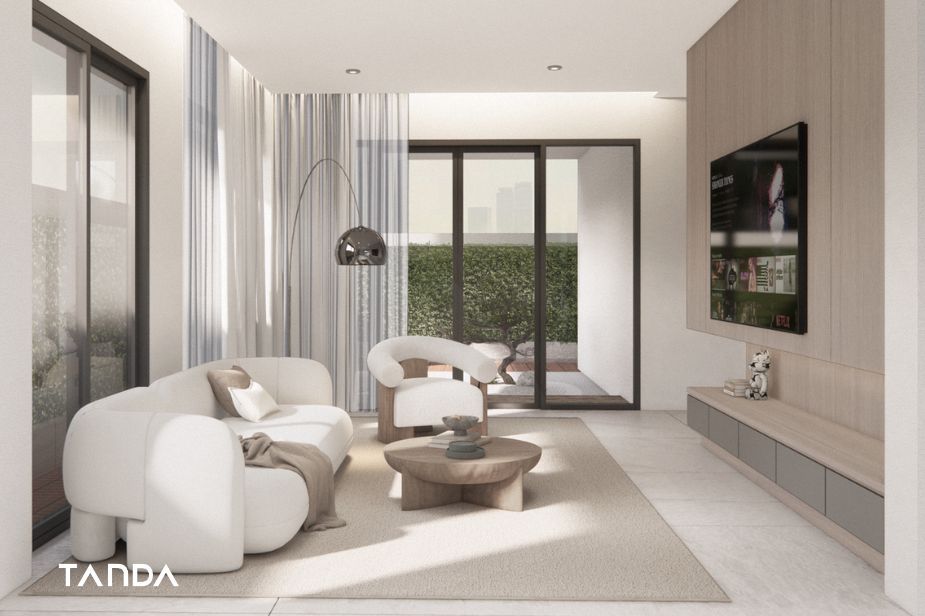
The timelessness of Mid-Century Modern proves that true beauty stems from function and clean lines. Its ability to blend natural wood with modern materials while embracing light is why it continues to capture hearts globally. It is more than a furniture trend; it is a way of creating a breathable, nature-connected sanctuary.
No matter how trends change, the storytelling quality of MCM will always transform a house into a tasteful home. If you are looking to bring this classic vision to life, Tanda Design Studio offers professional interior design services and consultations to turn your home into a valuable, comfortable work of art.
Modern style refers to a specific era emphasizing geometric lines and functional innovation. Minimalism is a philosophy of "Less is More," stripping away everything until only the essence remains. In short: Modern is about an era and function; Minimalism is about simplicity and letting go.
Modern Classic is a middle ground between traditional luxury and modern simplicity. It retains elements like crown molding or leather-tufted furniture but reduces complex patterns in favor of clean colors and contemporary materials for a dignified yet updated look.
Modern refers to a specific design period in the 20th century with set rules. Contemporary refers to what is popular "right now." It is fluid and can borrow elements from various styles based on current trends.
Contemporary Art is created by artists today, reflecting current social, cultural, or personal issues. It uses various media—from painting to digital installations—to communicate stories happening in our present world.
This style blends the raw texture of natural materials with modern sleekness. It showcases elements like old wood beams or natural stone within a space defined by clean lines and modern furniture, resulting in a home that feels both cool and incredibly cozy.
2026-06-03
This article compiles 11 cafe-style house ideas—ranging from Minimalist and Tropical to Vintage and Loft—along with techniques for creating photo-ready corners…
Read more →
2026-05-27
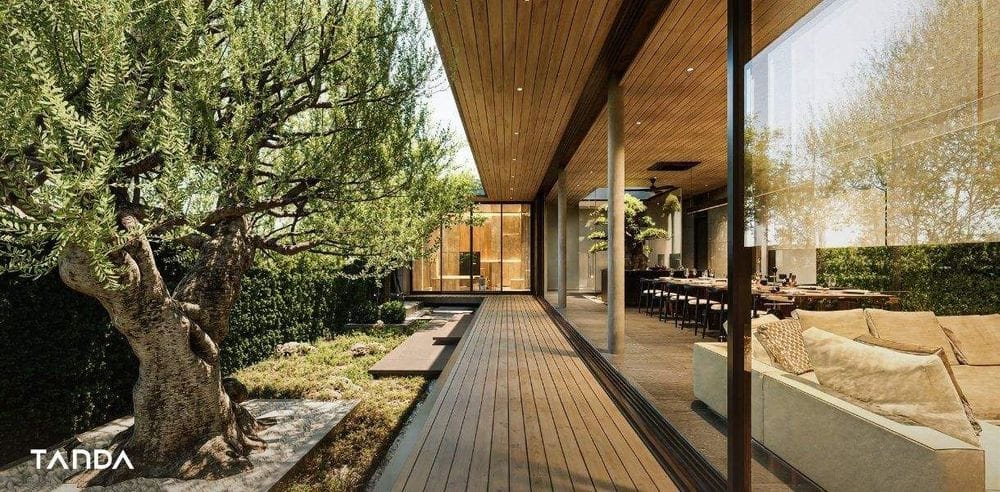
Is your home feeling more like an oven lately? You are not alone. Heat buildup is a common struggle, especially in tropical climates, but it doesn't have to be…
Read more →

2026-05-27
Imagine the aroma of your favorite meal wafting through the air, accompanied by laughter and conversation around the table. After a long day, the dining room se…
Read more →
2026-05-26
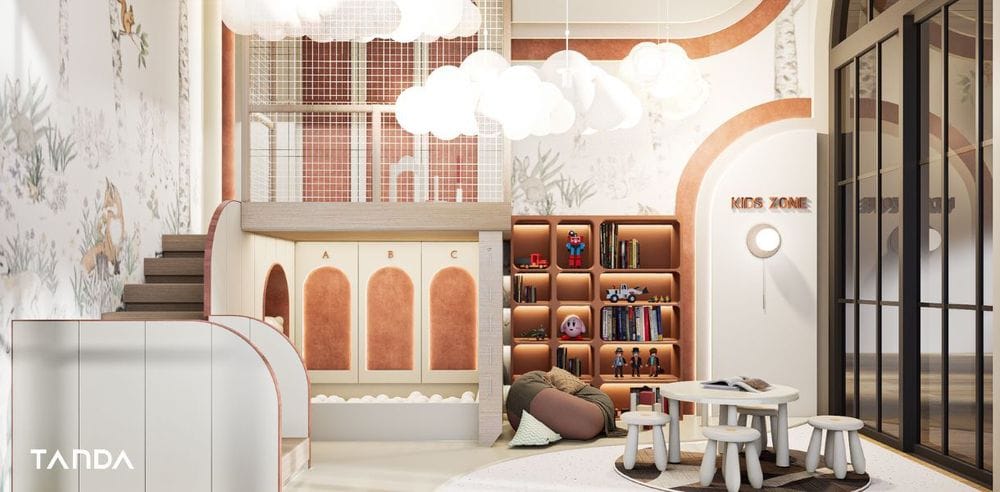
When planning a private space for your little ones, safety is naturally the top priority. A well-thought-out kids' bedroom decoration idea does more than just l…
Read more →
2026-05-26
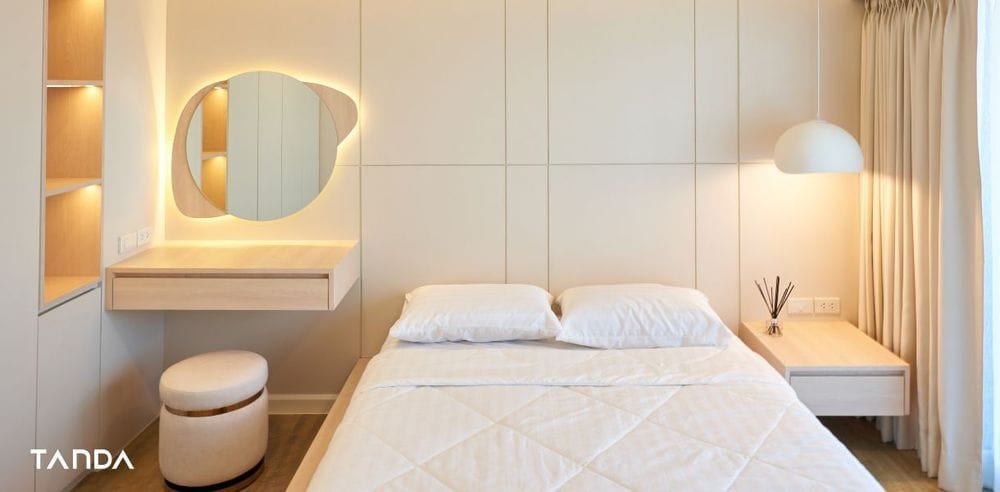
Walking into a new, empty condo can be overwhelming. When the layout doesn't align with your daily routine, that initial excitement often turns into stress. You…
Read more →
2026-04-03
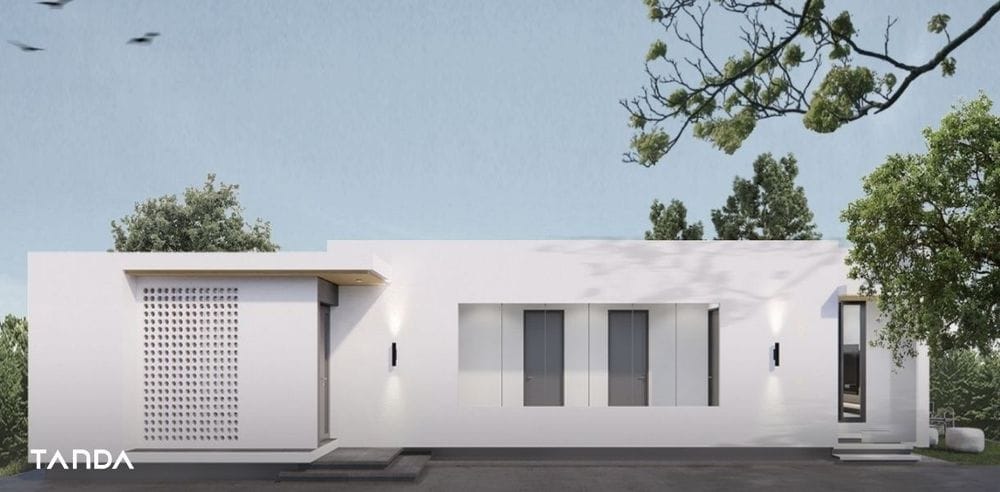
White is more than just a color; it is a tool to create a sophisticated and restful atmosphere. The unique quality of white lies in its limitless ability to shi…
Read more →
Summary
When discussing interior styles that remain captivating through the decades, many envision the classic silhouettes of Mid-Century design. This philosophy emphasizes simplicity, clear functionality, and clean lines—a perfect balance between modern flair and natural elements.
In today’s fast-paced world, the Mid-Century style is seeing a massive resurgence. It offers more than just iconic furniture; it provides a way to invite light and nature into our living spaces. Let’s dive deep into the details that make this style a global favorite for creating stylish, livable homes.
Mid-Century Modern refers to the design movement that flourished between 1945 and 1969. Born from the need for post-war innovation, it focuses on stripping away superfluous details in favor of utility, while maintaining aesthetic appeal through natural geometric silhouettes.
What sets this style apart from traditional European classics or modern minimalism is its bold experimentation with materials. It pairs solid hardwoods like teak with then-innovative materials such as fiberglass, steel, and molded plywood. Large windows are often used to integrate natural light into the design, creating a more vibrant feeling than standard modernism.
The Pioneers of MCM
The success of this movement was driven by visionary designers who viewed furniture as accessible art:
The design is defined by "cleanliness." You will find straight, simple lines in structural elements, such as tapered table legs or sharp rectangular cabinets. These are softened by Organic Forms—curves that mimic nature, like ergonomic chair backs or teardrop-shaped tables—ensuring the furniture feels alive rather than industrial.
The charm lies in the fusion of the old and new. Natural wood, specifically teak or walnut with warm grains, is essential. This is often paired with metal and glass for structures or handles, adding a transparent, modern touch similar to Modern Luxury interiors.
The palette is unique, using earth tones like wood brown, beige, or olive green as a grounding base. To add energy, Accent Colors such as mustard orange, amber yellow, or turquoise blue are used strategically to reflect the optimism of the era.
Choose pieces that "show their legs." Tapered legs lift furniture off the floor, making a room feel airy rather than heavy. Focus on a few statement pieces rather than overcrowding the room. Aim for a mix of authentic wood grains, leather, and textured woven fabrics for a sophisticated look.
A hallmark of MCM architecture is the open-plan layout, connecting the living, dining, and kitchen areas without walls. This encourages interaction and improves airflow. Use rugs or furniture groupings to define "zones" instead of partitions to keep the space wide and clean.
Natural light is a vital element. Large windows or glass sliding doors should be used to let sunlight reach every corner. Sunlight enhances the natural wood tones, and views of a garden help create a relaxing, organic atmosphere inside the home.
The philosophy of "simple, functional design" resonates across generations. Every piece is designed around ergonomics and utility, removing unnecessary complexity. Whether it is a single chair or a dining table, it serves its purpose perfectly while doubling as a piece of art.
Furthermore, it is incredibly easy to integrate into modern homes. Whether in a high-rise condo or a suburban house, the clean lines of MCM pair seamlessly with modern technology and other decor styles. Finally, MCM pieces are seen as "Sustainable Design Investments." Many are iconic pieces of history that appreciate in value, becoming heirlooms passed down through generations.
The timelessness of Mid-Century Modern proves that true beauty stems from function and clean lines. Its ability to blend natural wood with modern materials while embracing light is why it continues to capture hearts globally. It is more than a furniture trend; it is a way of creating a breathable, nature-connected sanctuary.
No matter how trends change, the storytelling quality of MCM will always transform a house into a tasteful home. If you are looking to bring this classic vision to life, Tanda Design Studio offers professional interior design services and consultations to turn your home into a valuable, comfortable work of art.
Modern style refers to a specific era emphasizing geometric lines and functional innovation. Minimalism is a philosophy of "Less is More," stripping away everything until only the essence remains. In short: Modern is about an era and function; Minimalism is about simplicity and letting go.
Modern Classic is a middle ground between traditional luxury and modern simplicity. It retains elements like crown molding or leather-tufted furniture but reduces complex patterns in favor of clean colors and contemporary materials for a dignified yet updated look.
Modern refers to a specific design period in the 20th century with set rules. Contemporary refers to what is popular "right now." It is fluid and can borrow elements from various styles based on current trends.
Contemporary Art is created by artists today, reflecting current social, cultural, or personal issues. It uses various media—from painting to digital installations—to communicate stories happening in our present world.
This style blends the raw texture of natural materials with modern sleekness. It showcases elements like old wood beams or natural stone within a space defined by clean lines and modern furniture, resulting in a home that feels both cool and incredibly cozy.
