
2026-06-03
11 Cafe-Style Home Ideas: Create Your Dream Home Cafe
This article compiles 11 cafe-style house ideas—ranging from Minimalist and Tropical to Vintage and Loft—along with techniques for creating photo-ready corners…
Read more →

Summary
In the hustle and bustle of urban life, many are seeking "Less but Better"—a concept that birthed the Muji home style. This philosophy transforms Japanese living into a warm sanctuary characterized by openness and a natural palette of whites, creams, and light woods. It is a design that prioritizes relaxation in every touchpoint.
The charm of this style isn't found in luxury but in functional, minimalist furniture that keeps life organized and meaningful. It is the perfect answer for city dwellers looking to turn their homes into quiet "safe zones" that are minimal yet never boring.
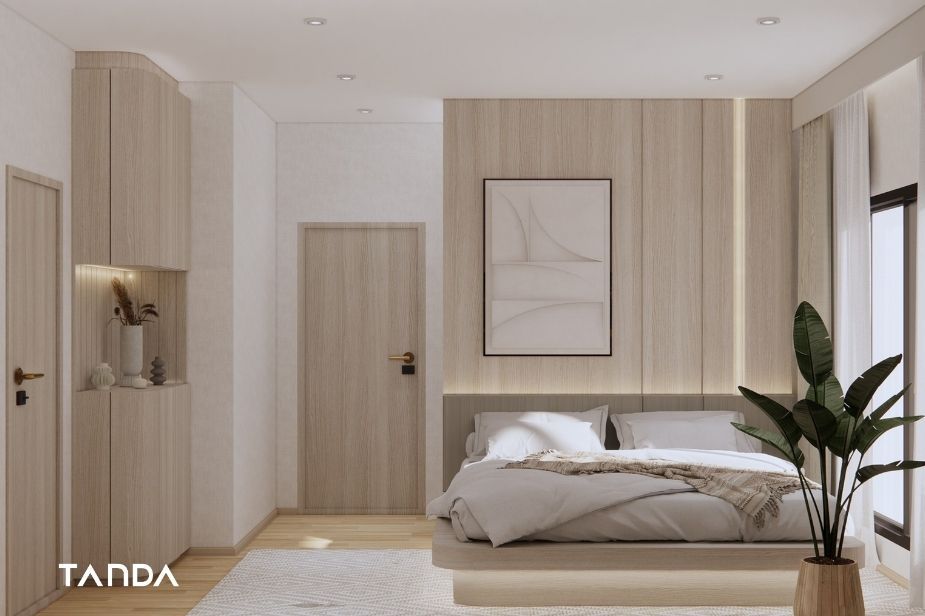
The foundation of Japanese "softness" starts with white, cream, and beige. These earth tones make any room feel naturally brighter and wider. They represent the humility and unpretentiousness central to Japanese culture, instantly replacing fatigue with a sense of calm.
Incorporate light wood furniture featuring straight lines and rounded edges. Each piece should be designed with function in mind, devoid of unnecessary patterns. This maintains the clean, traditional Japanese aesthetic, connecting the home to nature through the tactile warmth of real wood.
Muji living values empty space over clutter. Choose only essential items and use wooden shelving that blends into the walls. By keeping walkways clear, you allow air and energy to circulate better, reflecting a Zen lifestyle where every square meter is filled with quality.
Japanese homes prioritize pulling outdoor sunlight inward. Use large windows paired with sheer white curtains or wooden blinds. This filters harsh sunlight into a soft glow, creating beautiful shadows on wooden floors and keeping the home feeling fresh and connected to the time of day.
Beyond wood, textures like cotton, linen, and rush mats complete the vibe. Whether it's a beige linen cushion or a natural fiber rug, these soft, safe materials bring the beauty of nature indoors, making the space feel alive and authentic.
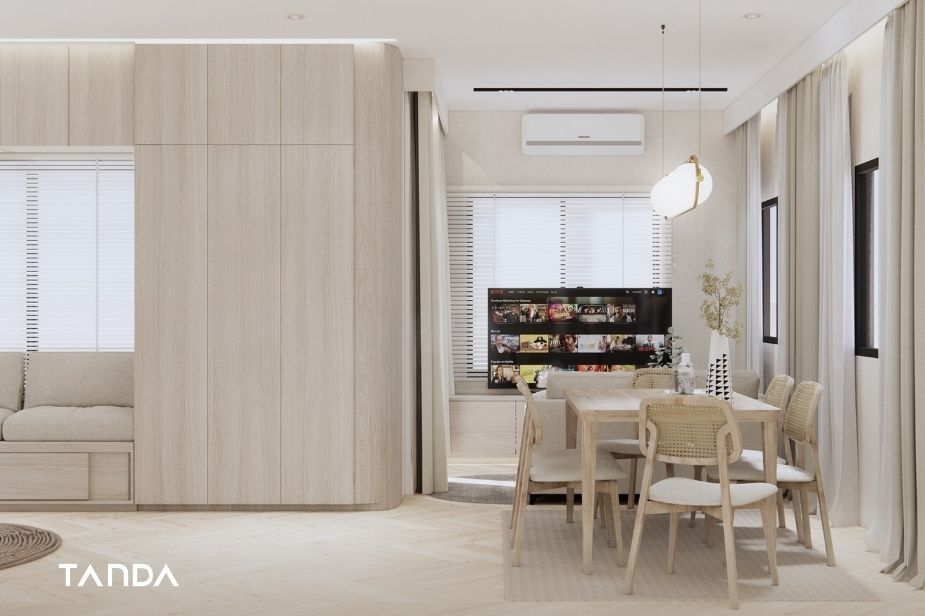
The secret to a beautiful Japanese home is a superior storage system. Use frosted white plastic bins or rattan baskets on wooden shelves to hide visual clutter. A clean environment leads to a calm mind, embodying the discipline and respect for living space that defines Muji.
A Muji living room is a gathering space designed at eye level. Opt for a light gray or beige fabric sofa paired with a low wooden coffee table. Adding soft bean bags in the corners encourages family members to sink in and relax in a setting that mimics traditional floor-based Japanese living.
Japanese bedrooms prioritize peace. A low wooden bed frame or a futon on a wooden base keeps the room feeling spacious. Match this with cotton or linen bedding in warm tones like cream or light gray. Soft, warm-white lamp lighting ensures the bedroom remains a distraction-free zone for rest.
A Muji kitchen is about accessible functionality. Use light wood cabinets against white walls and add open wooden shelves for spices or minimalist coffee mugs. This "cafe-style" layout makes cooking fun and gives the home a cozy, homemade feel.
To divide a room without making it feel small, use sliding doors. Wooden slat sliders or translucent screens allow light to pass through while providing privacy. This is an excellent way to manage limited space with style and flexibility.
Incorporate a peaceful corner for focus. Choose a spot by a window with ample light, a simple wooden desk, and a matching chair. Add a small rug or a seat cushion to create a personal library feel that cuts out the noise of the outside world.
The "Less is More" concept isn't about emptiness; it's about meaning. Instead of filling shelves with trinkets, choose one handmade ceramic vase or a simple wooden-framed photograph. This reflects the Wabi-sabi philosophy—finding beauty in simplicity and imperfection.
The key is balancing modern lines with natural warmth. Combine sharp, minimalist shapes with pastel fabrics and wood. The result is a "living minimalism" that feels cozy and slightly Kawaii, providing comfort every time you look at it.
A beautiful Muji home hides chaos. Use built-in cabinets with doors that match the wall color or under-bed storage to tuck away items not in daily use. This creates a seamless, continuous look that highlights the home's meticulous organization.
Break the monotony with nature. Place small plants like Rubber Trees, Fiddle Leaf Figs, or air-purifying plants in earth-toned terracotta pots. The green foliage provides a perfect contrast to the wood and white tones, acting as a mini Japanese garden that re-energizes you daily.

Happiness begins with "just enough." A Muji-style home is the result of intentional simplicity. It proves that a home doesn't need to be filled to be complete; instead, it should be curated with essentials where function leads beauty. By using natural tones and light wood, you create a sustainable, comfortable sanctuary that stands the test of time, regardless of changing trends.
Create your peaceful sanctuary with Tanda Design Studio. If you are captivated by the charm of Muji simplicity, we are ready to help you design your dream home. We specialize in interior design that prioritizes airy layouts, warm materials, and functional living. Let us transform your space into a simple, cozy safe zone tailored to your lifestyle.
Yes! Muji’s emphasis on openness and ventilation is great for reducing heat buildup. However, ensure you choose wood types treated for high humidity and use UV-filtering curtains to protect light wood surfaces from the intense Thai sun.
It's quite simple! Stick to a palette of white or gray pebbles for walkways, alternating with simple wood-patterned pavers. Plant trees with clear silhouettes like Fiddle Leaf Figs or Norfolk Island Pines in earth-toned pots to maintain a clean, Zen look.
Go for light-colored woods with subtle grains like Oak, Beech, or Maple. Alternatively, light-colored SPC (Stone Plastic Composite) or laminate flooring is an excellent choice as it is durable, scratch-resistant, and provides a natural warmth similar to real wood.
Use Warm White (approx. 3000K) to create a soft, cozy atmosphere. Focus on indirect lighting, such as floor lamps or table lamps with fabric or paper shades, to diffuse light gently throughout the room.
A two-layer curtain setup is ideal: a sheer white inner layer to filter light and a linen or cotton outer layer in cream, beige, or light gray. If you have limited space, wooden blinds or Roman shades offer a clean, modern, and organized look.
2026-06-03
This article compiles 11 cafe-style house ideas—ranging from Minimalist and Tropical to Vintage and Loft—along with techniques for creating photo-ready corners…
Read more →

2026-05-27
Is your home feeling more like an oven lately? You are not alone. Heat buildup is a common struggle, especially in tropical climates, but it doesn't have to be…
Read more →

2026-05-27
Imagine the aroma of your favorite meal wafting through the air, accompanied by laughter and conversation around the table. After a long day, the dining room se…
Read more →
2026-05-26
When planning a private space for your little ones, safety is naturally the top priority. A well-thought-out kids' bedroom decoration idea does more than just l…
Read more →
2026-05-26
Walking into a new, empty condo can be overwhelming. When the layout doesn't align with your daily routine, that initial excitement often turns into stress. You…
Read more →

2026-04-03
White is more than just a color; it is a tool to create a sophisticated and restful atmosphere. The unique quality of white lies in its limitless ability to shi…
Read more →
Summary
In the hustle and bustle of urban life, many are seeking "Less but Better"—a concept that birthed the Muji home style. This philosophy transforms Japanese living into a warm sanctuary characterized by openness and a natural palette of whites, creams, and light woods. It is a design that prioritizes relaxation in every touchpoint.
The charm of this style isn't found in luxury but in functional, minimalist furniture that keeps life organized and meaningful. It is the perfect answer for city dwellers looking to turn their homes into quiet "safe zones" that are minimal yet never boring.
The foundation of Japanese "softness" starts with white, cream, and beige. These earth tones make any room feel naturally brighter and wider. They represent the humility and unpretentiousness central to Japanese culture, instantly replacing fatigue with a sense of calm.
Incorporate light wood furniture featuring straight lines and rounded edges. Each piece should be designed with function in mind, devoid of unnecessary patterns. This maintains the clean, traditional Japanese aesthetic, connecting the home to nature through the tactile warmth of real wood.
Muji living values empty space over clutter. Choose only essential items and use wooden shelving that blends into the walls. By keeping walkways clear, you allow air and energy to circulate better, reflecting a Zen lifestyle where every square meter is filled with quality.
Japanese homes prioritize pulling outdoor sunlight inward. Use large windows paired with sheer white curtains or wooden blinds. This filters harsh sunlight into a soft glow, creating beautiful shadows on wooden floors and keeping the home feeling fresh and connected to the time of day.
Beyond wood, textures like cotton, linen, and rush mats complete the vibe. Whether it's a beige linen cushion or a natural fiber rug, these soft, safe materials bring the beauty of nature indoors, making the space feel alive and authentic.
The secret to a beautiful Japanese home is a superior storage system. Use frosted white plastic bins or rattan baskets on wooden shelves to hide visual clutter. A clean environment leads to a calm mind, embodying the discipline and respect for living space that defines Muji.
A Muji living room is a gathering space designed at eye level. Opt for a light gray or beige fabric sofa paired with a low wooden coffee table. Adding soft bean bags in the corners encourages family members to sink in and relax in a setting that mimics traditional floor-based Japanese living.
Japanese bedrooms prioritize peace. A low wooden bed frame or a futon on a wooden base keeps the room feeling spacious. Match this with cotton or linen bedding in warm tones like cream or light gray. Soft, warm-white lamp lighting ensures the bedroom remains a distraction-free zone for rest.
A Muji kitchen is about accessible functionality. Use light wood cabinets against white walls and add open wooden shelves for spices or minimalist coffee mugs. This "cafe-style" layout makes cooking fun and gives the home a cozy, homemade feel.
To divide a room without making it feel small, use sliding doors. Wooden slat sliders or translucent screens allow light to pass through while providing privacy. This is an excellent way to manage limited space with style and flexibility.
Incorporate a peaceful corner for focus. Choose a spot by a window with ample light, a simple wooden desk, and a matching chair. Add a small rug or a seat cushion to create a personal library feel that cuts out the noise of the outside world.
The "Less is More" concept isn't about emptiness; it's about meaning. Instead of filling shelves with trinkets, choose one handmade ceramic vase or a simple wooden-framed photograph. This reflects the Wabi-sabi philosophy—finding beauty in simplicity and imperfection.
The key is balancing modern lines with natural warmth. Combine sharp, minimalist shapes with pastel fabrics and wood. The result is a "living minimalism" that feels cozy and slightly Kawaii, providing comfort every time you look at it.
A beautiful Muji home hides chaos. Use built-in cabinets with doors that match the wall color or under-bed storage to tuck away items not in daily use. This creates a seamless, continuous look that highlights the home's meticulous organization.
Break the monotony with nature. Place small plants like Rubber Trees, Fiddle Leaf Figs, or air-purifying plants in earth-toned terracotta pots. The green foliage provides a perfect contrast to the wood and white tones, acting as a mini Japanese garden that re-energizes you daily.
Happiness begins with "just enough." A Muji-style home is the result of intentional simplicity. It proves that a home doesn't need to be filled to be complete; instead, it should be curated with essentials where function leads beauty. By using natural tones and light wood, you create a sustainable, comfortable sanctuary that stands the test of time, regardless of changing trends.
Create your peaceful sanctuary with Tanda Design Studio. If you are captivated by the charm of Muji simplicity, we are ready to help you design your dream home. We specialize in interior design that prioritizes airy layouts, warm materials, and functional living. Let us transform your space into a simple, cozy safe zone tailored to your lifestyle.
Yes! Muji’s emphasis on openness and ventilation is great for reducing heat buildup. However, ensure you choose wood types treated for high humidity and use UV-filtering curtains to protect light wood surfaces from the intense Thai sun.
It's quite simple! Stick to a palette of white or gray pebbles for walkways, alternating with simple wood-patterned pavers. Plant trees with clear silhouettes like Fiddle Leaf Figs or Norfolk Island Pines in earth-toned pots to maintain a clean, Zen look.
Go for light-colored woods with subtle grains like Oak, Beech, or Maple. Alternatively, light-colored SPC (Stone Plastic Composite) or laminate flooring is an excellent choice as it is durable, scratch-resistant, and provides a natural warmth similar to real wood.
Use Warm White (approx. 3000K) to create a soft, cozy atmosphere. Focus on indirect lighting, such as floor lamps or table lamps with fabric or paper shades, to diffuse light gently throughout the room.
A two-layer curtain setup is ideal: a sheer white inner layer to filter light and a linen or cotton outer layer in cream, beige, or light gray. If you have limited space, wooden blinds or Roman shades offer a clean, modern, and organized look.
