
2026-06-03
11 Cafe-Style Home Ideas: Create Your Dream Home Cafe
This article compiles 11 cafe-style house ideas—ranging from Minimalist and Tropical to Vintage and Loft—along with techniques for creating photo-ready corners…
Read more →
Summary
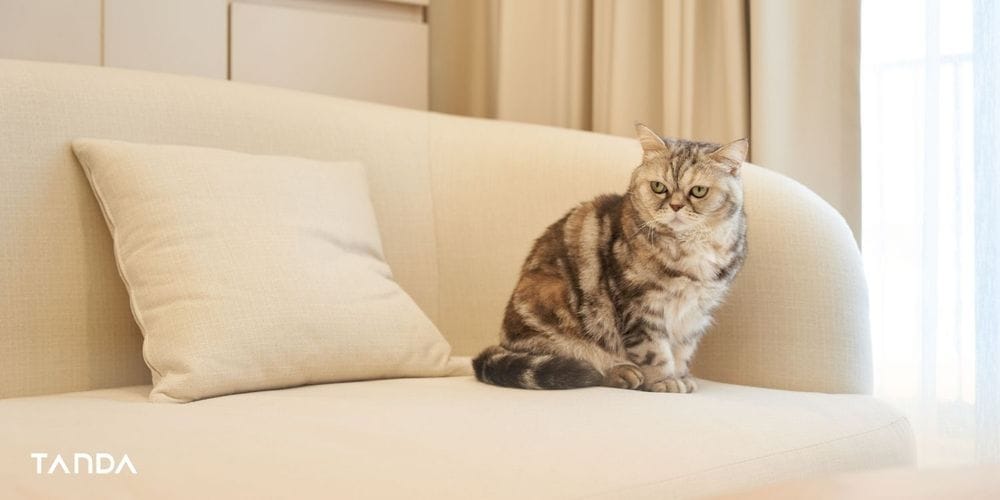
In an era where pets are cherished family members, "Pet-Friendly" has evolved from a niche trend into a core housing requirement. Whether in a house or a condo, a home is no longer just for humans—it’s a shared space of happiness that must cater to every paw.
This philosophy focuses on seamless cohabitation without compromising daily life. From selecting durable yet soft-touch materials to designing layouts that simplify cleaning, every detail counts. Let’s explore how to transform your home into a paradise for your four-legged friends.
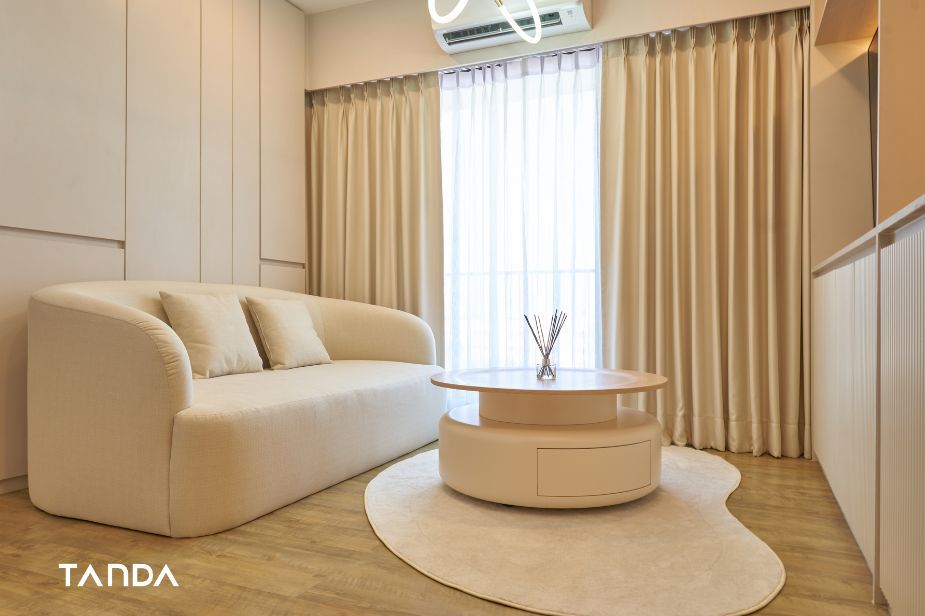
The Pet-Friendly concept treats pets as primary residents, not just temporary guests. Unlike standard designs, every detail—from non-porous materials that prevent bacteria buildup to designated cleaning zones—is planned in advance.
A well-designed home reduces stress for both the owner and the pet. Because animals spend nearly their entire lives indoors, prioritizing their ergonomics and hygiene ensures a happier, healthier long-term relationship.
Safety and hygiene are the top priorities. Swap slippery tiles for non-slip surfaces like SPC (Stone Plastic Composite) or tiles with a high Slip Resistance (R) rating to protect your pet's hips and joints. For upholstery, opt for innovative water-resistant and scratch-proof fabrics to keep the home smelling fresh and looking new.
Dividing your space helps maintain order. Start by creating a quiet "sanctuary zone" for rest, separated from the "hygiene zone" (litter or potty area) which should be near ventilation points. An open "play zone" free of sharp furniture edges helps pets understand boundaries and makes cleaning much easier for the owner.
Pets are more sensitive to odors and temperature than humans. Ensure good airflow with secure mesh screens to reduce bacteria and odor accumulation. Large windows are essential, allowing pets to bask in the sun and watch birds, which provides mental stimulation and natural disinfection for their bedding.
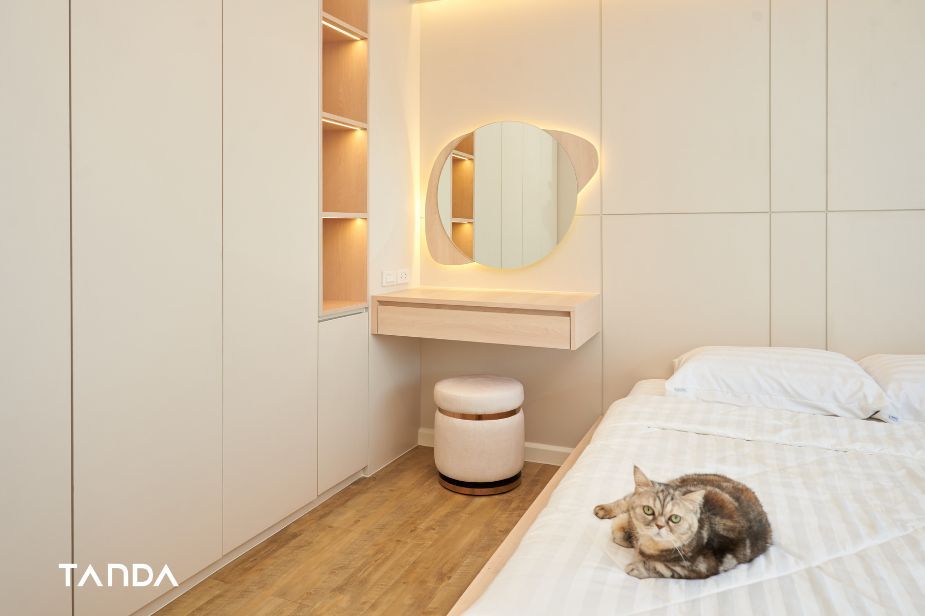
Before buying or renting, review the condo's pet policy. Check for weight limits, breed restrictions, the number of allowed pets, and any one-time or annual fees. Clear communication with the juristic office prevents future conflicts with neighbors.
In limited condo units, think vertically. Wall-mounted cat trees or floating shelves provide exercise without consuming floor space. Multi-functional furniture, such as coffee tables with built-in cubbies, prevents the room from feeling cramped and reduces pet anxiety.
Be a good neighbor by managing sound and smell. Install soundproofing strips on doors and use air purifiers with specialized pet filters. Placing litter boxes in well-ventilated spots prevents odors from leaking into hallways or neighboring units.
Consider multi-functional pieces, like sofas with built-in tunnels or side tables that double as pet beds. These items reduce destructive behavior by giving pets their own "territory" while maintaining a cohesive interior design.
Keep food, toys, and medicine in a dedicated cabinet separate from human items. Sealed storage maintains food quality and prevents pests. Organizing leashes and travel bags near the door ensures you’re always ready for a walk.
Safety is paramount. Install safety screens on windows to prevent falls, and use baby gates for "danger zones" like kitchens or staircases. Using outlet covers provides peace of mind when pets are left home alone.
Instead of placing beds in the middle of hallways, integrate them under counters or staircases. This keeps the home organized and gives pets a sense of security. Use removable, washable linings for easy maintenance.
Essential for small breeds or senior pets, these prevent hip injuries caused by jumping. Ramps can be designed with built-in storage drawers and finished in wood tones that match your primary furniture.
A dedicated wash station at waist height reduces back pain for the owner and keeps the rest of the house clean. Install these in laundry areas or mudrooms with adjustable showerheads and hair-catching drains.
Barriers shouldn't feel like cages. Use aesthetically pleasing wooden slats or stylish gates to keep pets away from the kitchen or entryway. This allows them to see you while staying safe.
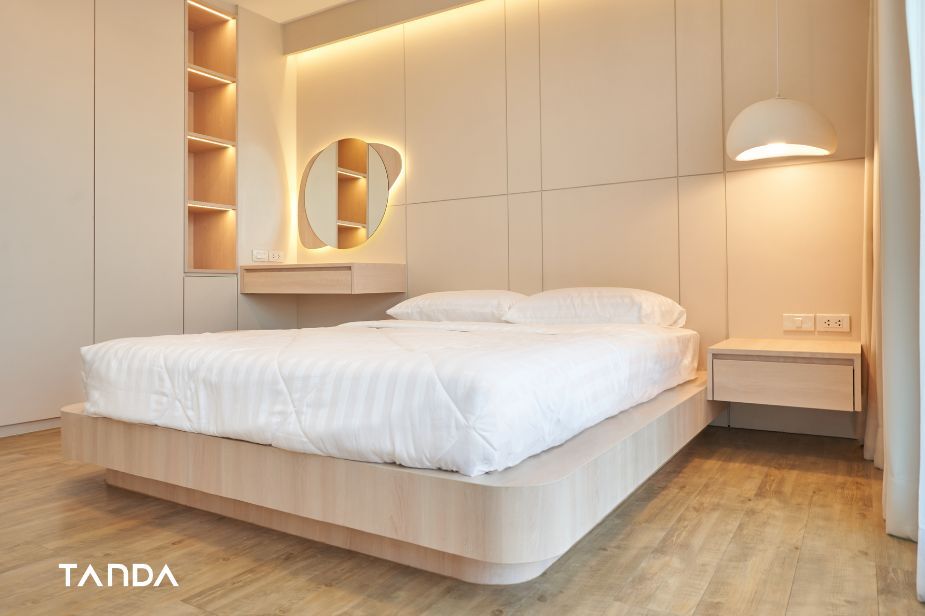
Pet-friendly living proves that a great home considers every resident. By prioritizing function and safety—such as non-slip floors and durable fabrics—you create a space that is both beautiful and easy to maintain. Especially in condos, thoughtful planning regarding noise, odors, and vertical space is the key to a happy cohabitation.
Tanda Design Studio specializes in transforming your vision into a pet-friendly reality. Our architects and interior designers create stylish, functional paradises for you and your furry family members, ensuring every square meter is optimized for comfort and taste.
Pet Allowed means pets are permitted under basic rules. Pet Friendly means the space is specifically designed for them, featuring pet-centric functions like non-slip floors, potty zones, and amenities that enhance their quality of life.
Pack a cleaning kit and a portable bed to prevent scratches or odors on the host's furniture. Always bring a leash, potty pads, and waste bags to show respect for the property and the owner.
This depends on the specific venue's policy. Many have breed restrictions or require muzzles and leashes for public safety. Always check the rules and ensure you can maintain control of your pet before visiting.
Most condos require registration with the juristic office and up-to-date vaccinations, particularly for Rabies and Feline Distemper, to maintain community health and safety. Annual check-ups are also recommended.
2026-06-03
This article compiles 11 cafe-style house ideas—ranging from Minimalist and Tropical to Vintage and Loft—along with techniques for creating photo-ready corners…
Read more →

2026-05-27
Is your home feeling more like an oven lately? You are not alone. Heat buildup is a common struggle, especially in tropical climates, but it doesn't have to be…
Read more →

2026-05-27
Imagine the aroma of your favorite meal wafting through the air, accompanied by laughter and conversation around the table. After a long day, the dining room se…
Read more →

2026-05-26
When planning a private space for your little ones, safety is naturally the top priority. A well-thought-out kids' bedroom decoration idea does more than just l…
Read more →
2026-05-26
Walking into a new, empty condo can be overwhelming. When the layout doesn't align with your daily routine, that initial excitement often turns into stress. You…
Read more →

2026-04-03
White is more than just a color; it is a tool to create a sophisticated and restful atmosphere. The unique quality of white lies in its limitless ability to shi…
Read more →
Summary
In an era where pets are cherished family members, "Pet-Friendly" has evolved from a niche trend into a core housing requirement. Whether in a house or a condo, a home is no longer just for humans—it’s a shared space of happiness that must cater to every paw.
This philosophy focuses on seamless cohabitation without compromising daily life. From selecting durable yet soft-touch materials to designing layouts that simplify cleaning, every detail counts. Let’s explore how to transform your home into a paradise for your four-legged friends.
The Pet-Friendly concept treats pets as primary residents, not just temporary guests. Unlike standard designs, every detail—from non-porous materials that prevent bacteria buildup to designated cleaning zones—is planned in advance.
A well-designed home reduces stress for both the owner and the pet. Because animals spend nearly their entire lives indoors, prioritizing their ergonomics and hygiene ensures a happier, healthier long-term relationship.
Safety and hygiene are the top priorities. Swap slippery tiles for non-slip surfaces like SPC (Stone Plastic Composite) or tiles with a high Slip Resistance (R) rating to protect your pet's hips and joints. For upholstery, opt for innovative water-resistant and scratch-proof fabrics to keep the home smelling fresh and looking new.
Dividing your space helps maintain order. Start by creating a quiet "sanctuary zone" for rest, separated from the "hygiene zone" (litter or potty area) which should be near ventilation points. An open "play zone" free of sharp furniture edges helps pets understand boundaries and makes cleaning much easier for the owner.
Pets are more sensitive to odors and temperature than humans. Ensure good airflow with secure mesh screens to reduce bacteria and odor accumulation. Large windows are essential, allowing pets to bask in the sun and watch birds, which provides mental stimulation and natural disinfection for their bedding.
Before buying or renting, review the condo's pet policy. Check for weight limits, breed restrictions, the number of allowed pets, and any one-time or annual fees. Clear communication with the juristic office prevents future conflicts with neighbors.
In limited condo units, think vertically. Wall-mounted cat trees or floating shelves provide exercise without consuming floor space. Multi-functional furniture, such as coffee tables with built-in cubbies, prevents the room from feeling cramped and reduces pet anxiety.
Be a good neighbor by managing sound and smell. Install soundproofing strips on doors and use air purifiers with specialized pet filters. Placing litter boxes in well-ventilated spots prevents odors from leaking into hallways or neighboring units.
Consider multi-functional pieces, like sofas with built-in tunnels or side tables that double as pet beds. These items reduce destructive behavior by giving pets their own "territory" while maintaining a cohesive interior design.
Keep food, toys, and medicine in a dedicated cabinet separate from human items. Sealed storage maintains food quality and prevents pests. Organizing leashes and travel bags near the door ensures you’re always ready for a walk.
Safety is paramount. Install safety screens on windows to prevent falls, and use baby gates for "danger zones" like kitchens or staircases. Using outlet covers provides peace of mind when pets are left home alone.
Instead of placing beds in the middle of hallways, integrate them under counters or staircases. This keeps the home organized and gives pets a sense of security. Use removable, washable linings for easy maintenance.
Essential for small breeds or senior pets, these prevent hip injuries caused by jumping. Ramps can be designed with built-in storage drawers and finished in wood tones that match your primary furniture.
A dedicated wash station at waist height reduces back pain for the owner and keeps the rest of the house clean. Install these in laundry areas or mudrooms with adjustable showerheads and hair-catching drains.
Barriers shouldn't feel like cages. Use aesthetically pleasing wooden slats or stylish gates to keep pets away from the kitchen or entryway. This allows them to see you while staying safe.
Pet-friendly living proves that a great home considers every resident. By prioritizing function and safety—such as non-slip floors and durable fabrics—you create a space that is both beautiful and easy to maintain. Especially in condos, thoughtful planning regarding noise, odors, and vertical space is the key to a happy cohabitation.
Tanda Design Studio specializes in transforming your vision into a pet-friendly reality. Our architects and interior designers create stylish, functional paradises for you and your furry family members, ensuring every square meter is optimized for comfort and taste.
Pet Allowed means pets are permitted under basic rules. Pet Friendly means the space is specifically designed for them, featuring pet-centric functions like non-slip floors, potty zones, and amenities that enhance their quality of life.
Pack a cleaning kit and a portable bed to prevent scratches or odors on the host's furniture. Always bring a leash, potty pads, and waste bags to show respect for the property and the owner.
This depends on the specific venue's policy. Many have breed restrictions or require muzzles and leashes for public safety. Always check the rules and ensure you can maintain control of your pet before visiting.
Most condos require registration with the juristic office and up-to-date vaccinations, particularly for Rabies and Feline Distemper, to maintain community health and safety. Annual check-ups are also recommended.
